
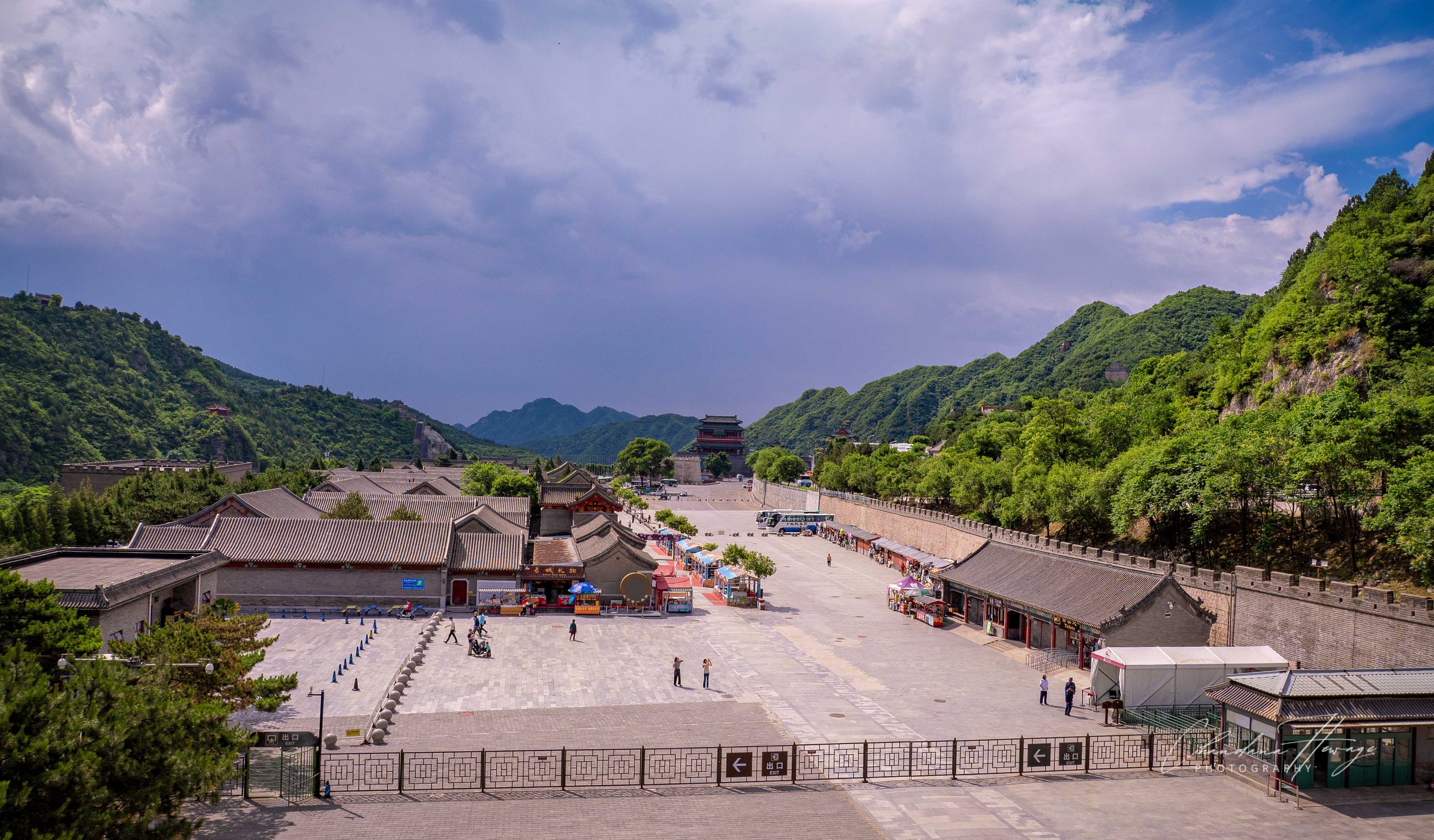
The Great Wall of China
中国的长城
(Juyongguan Great Wall)
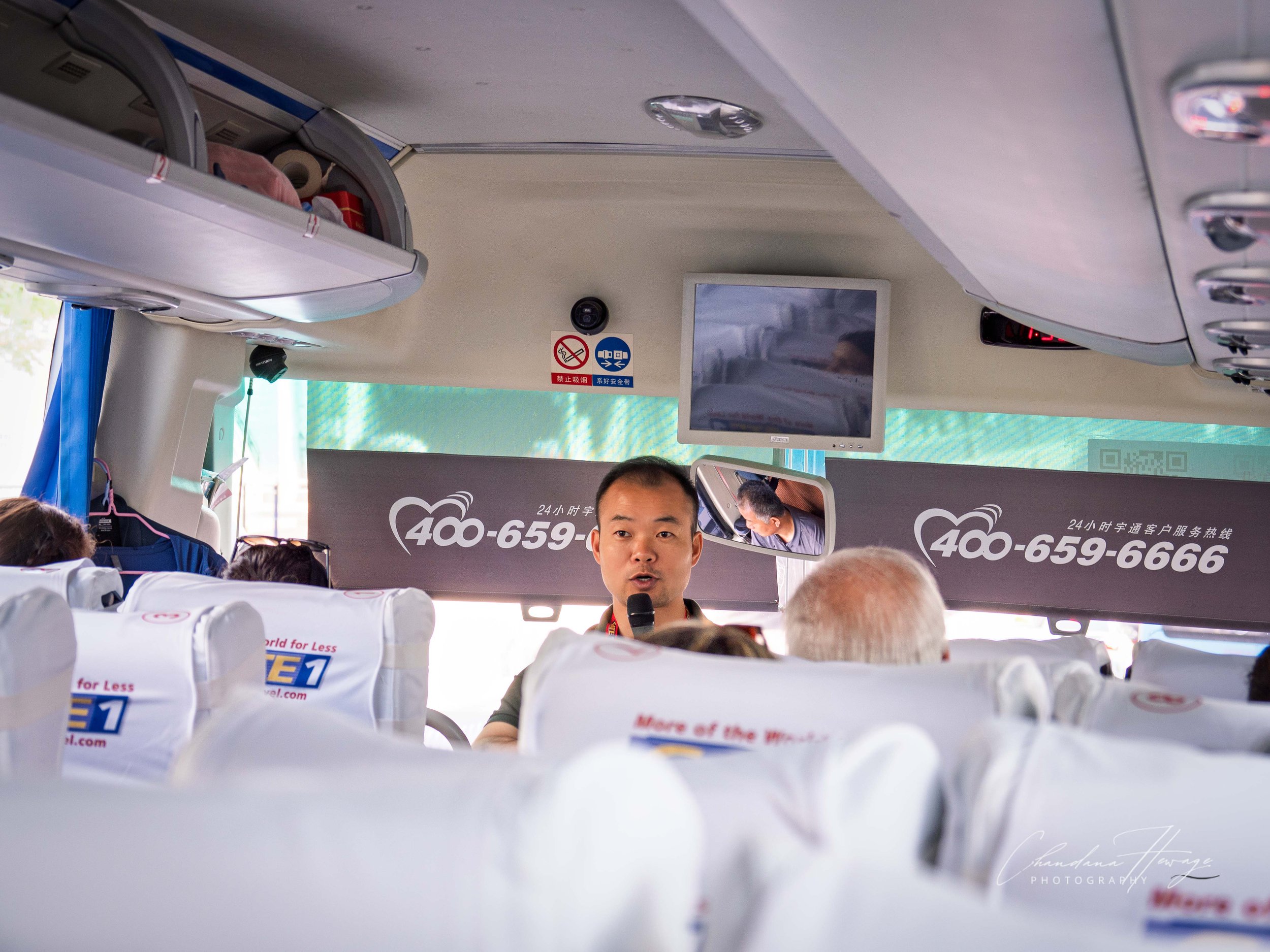
Tour guide, Joe.
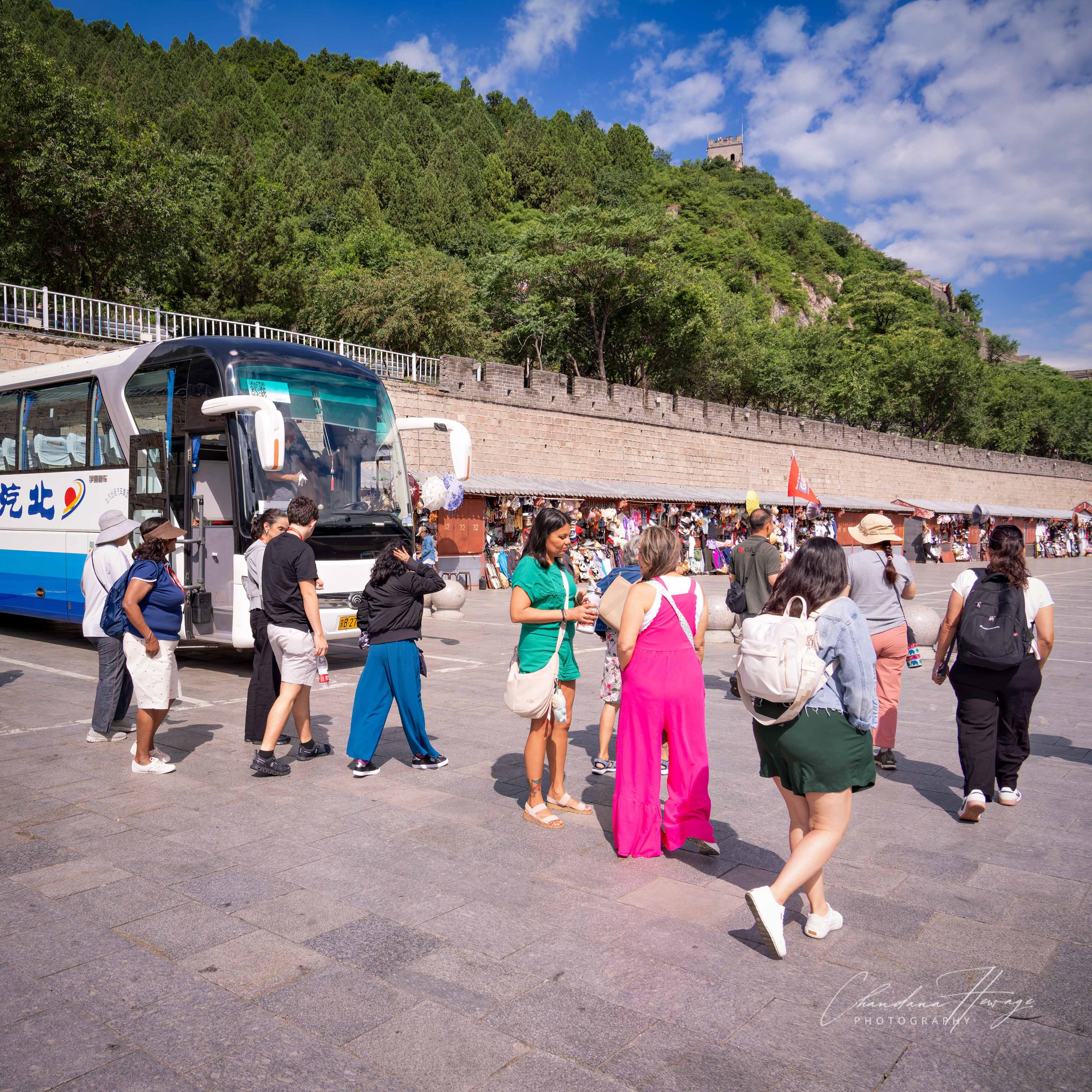
Our group at their first destination - The Great Wall of China. (Juyongguan Great Wall)
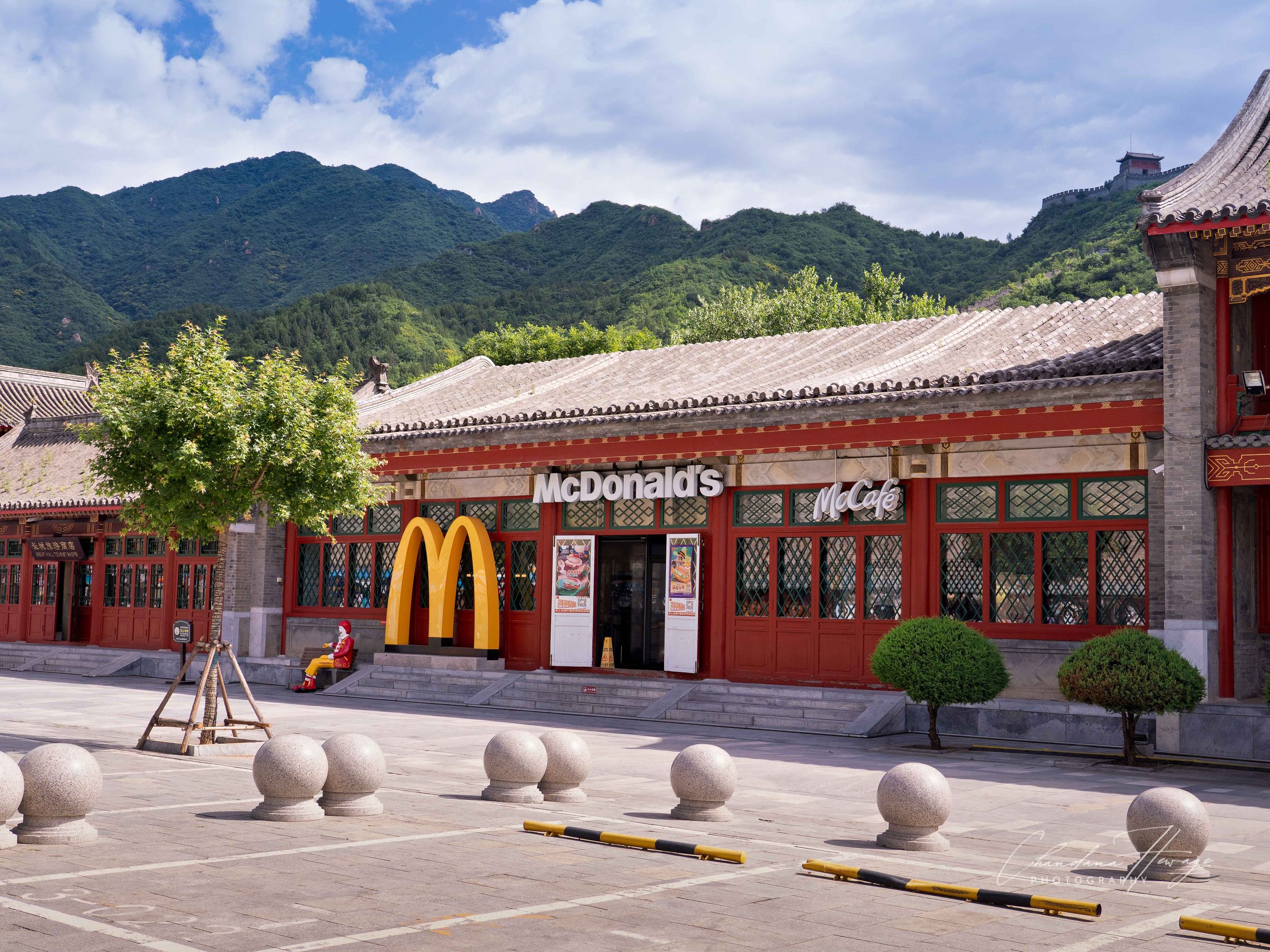
America's influence on China is significant.
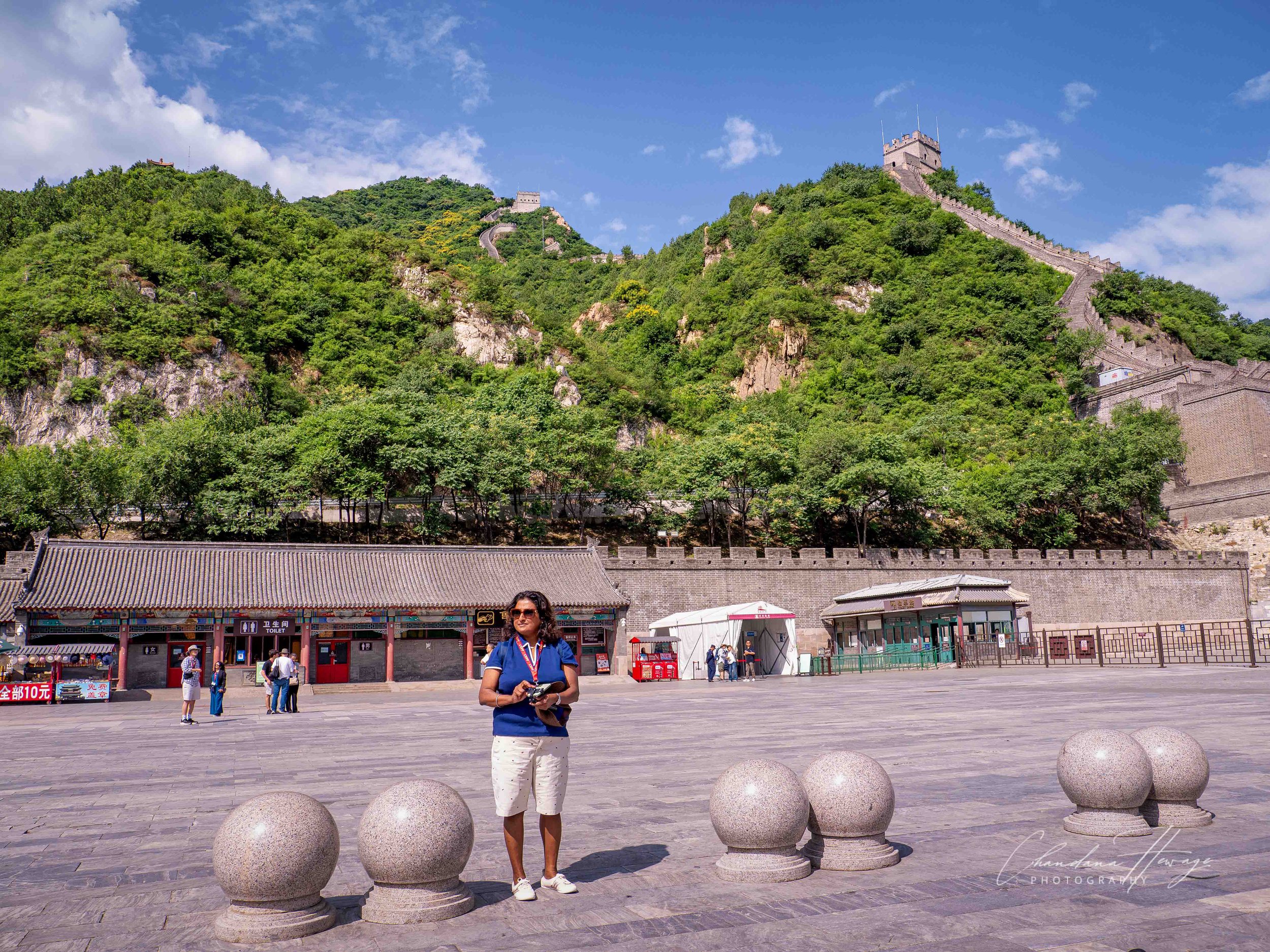
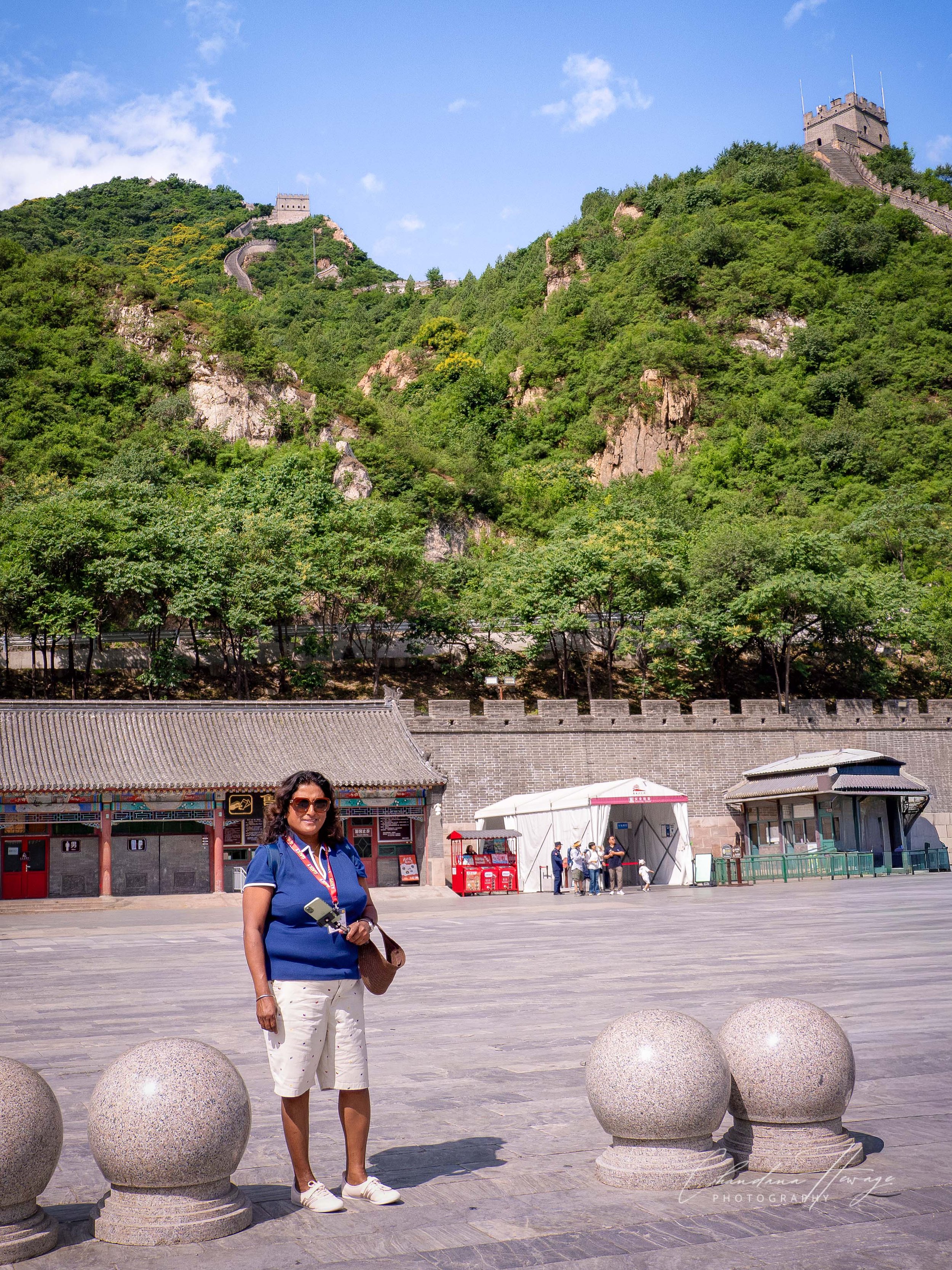
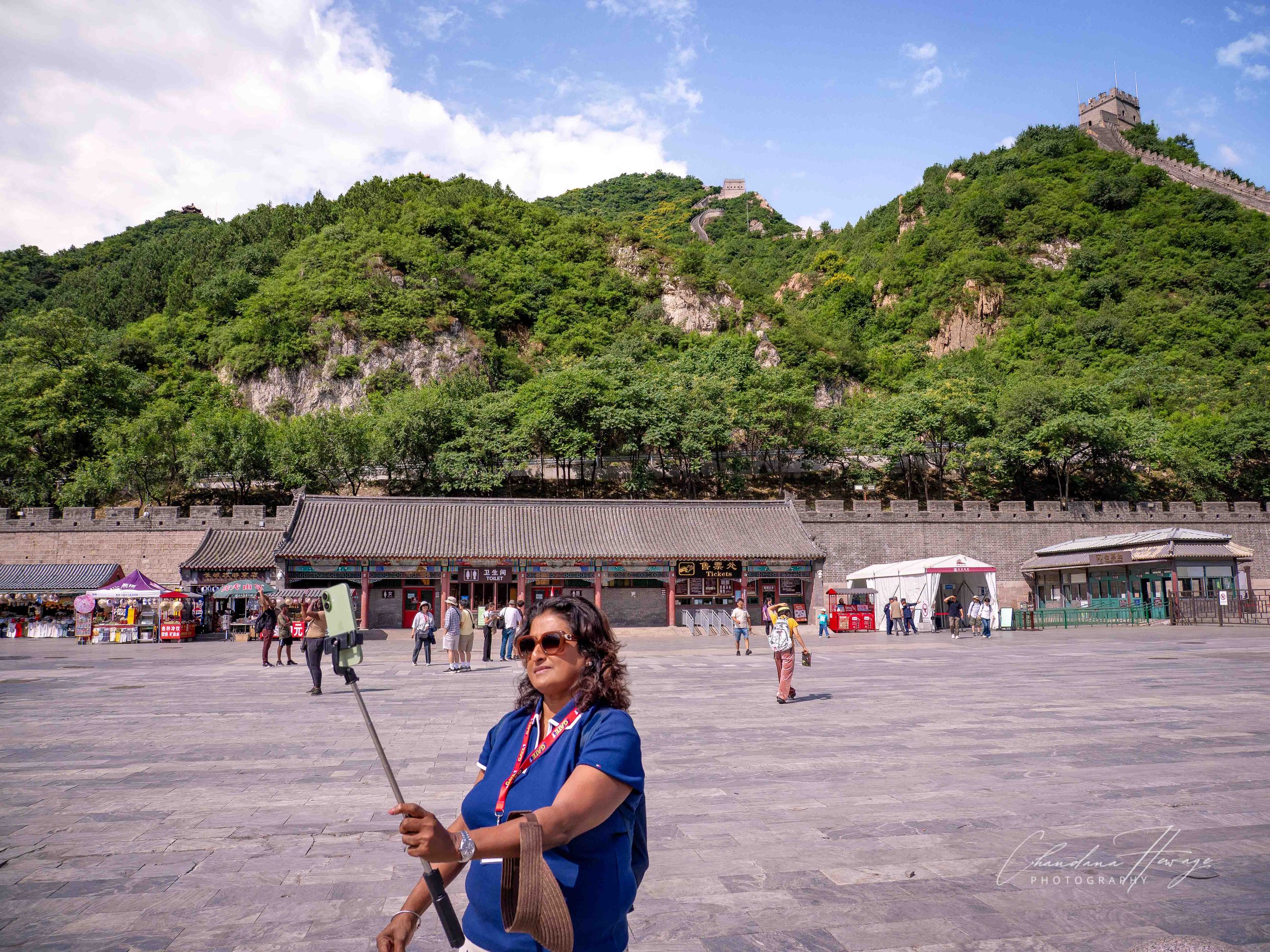
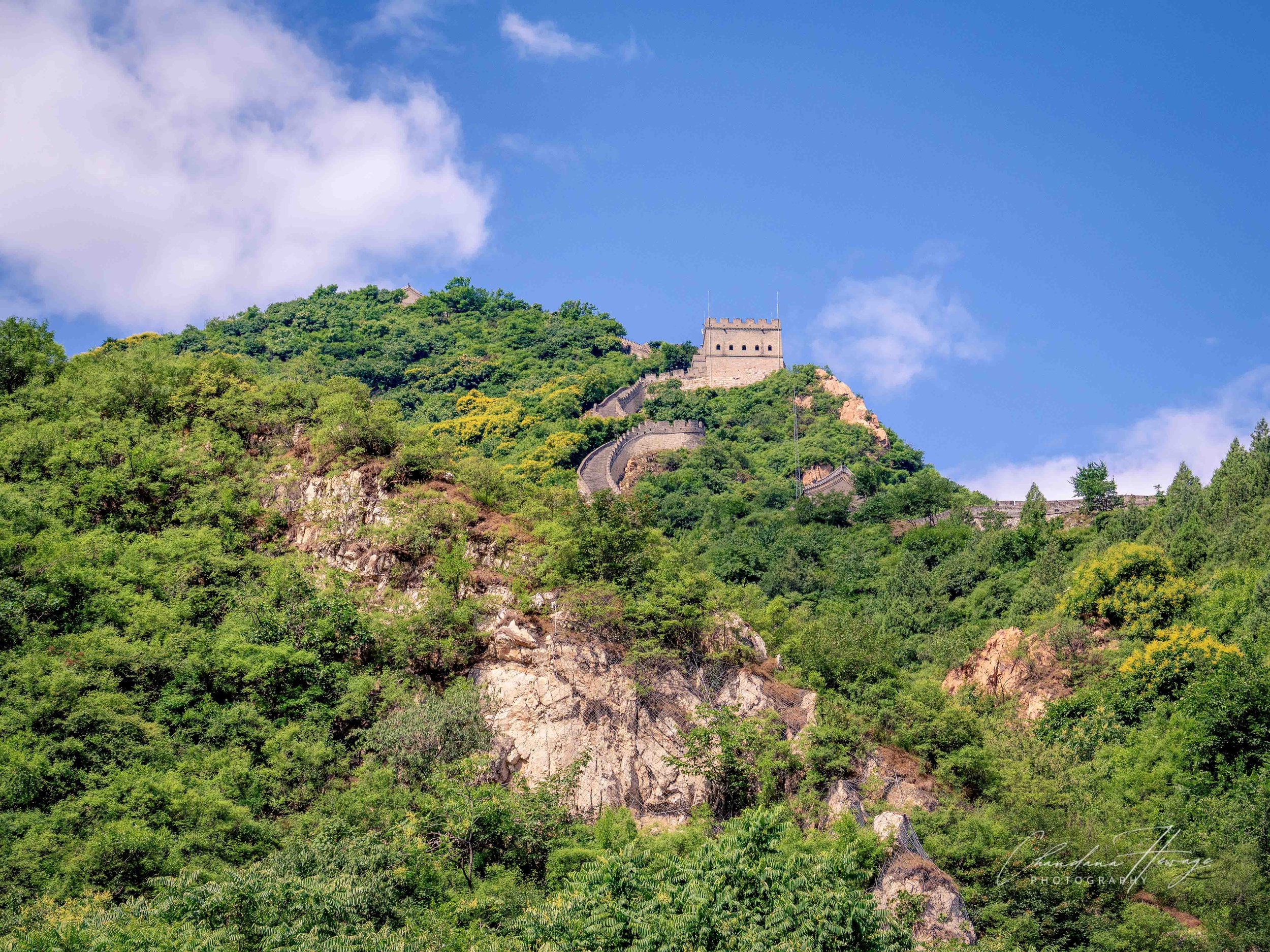
Another perspective from the Juyongguan Great Wall.
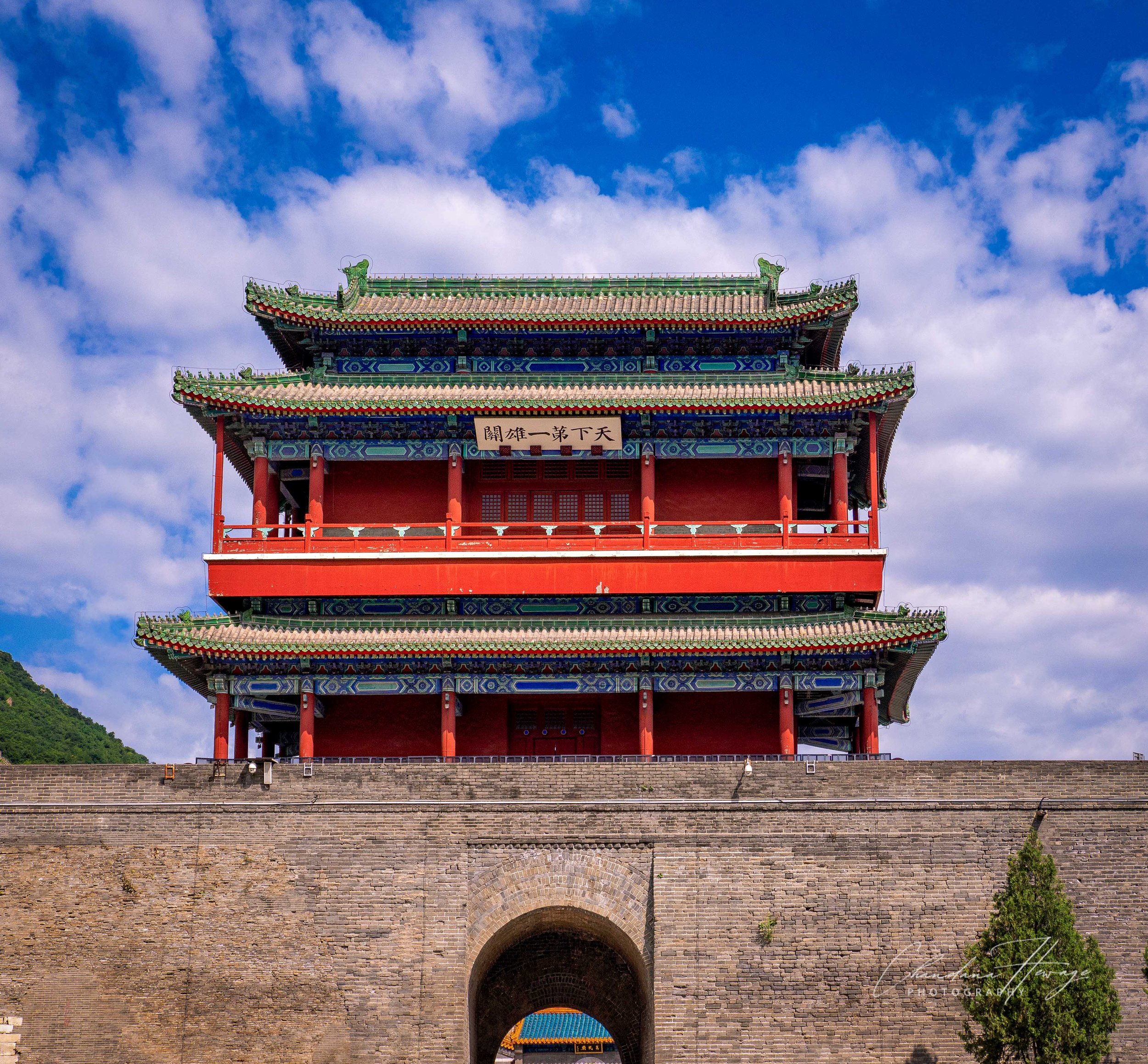
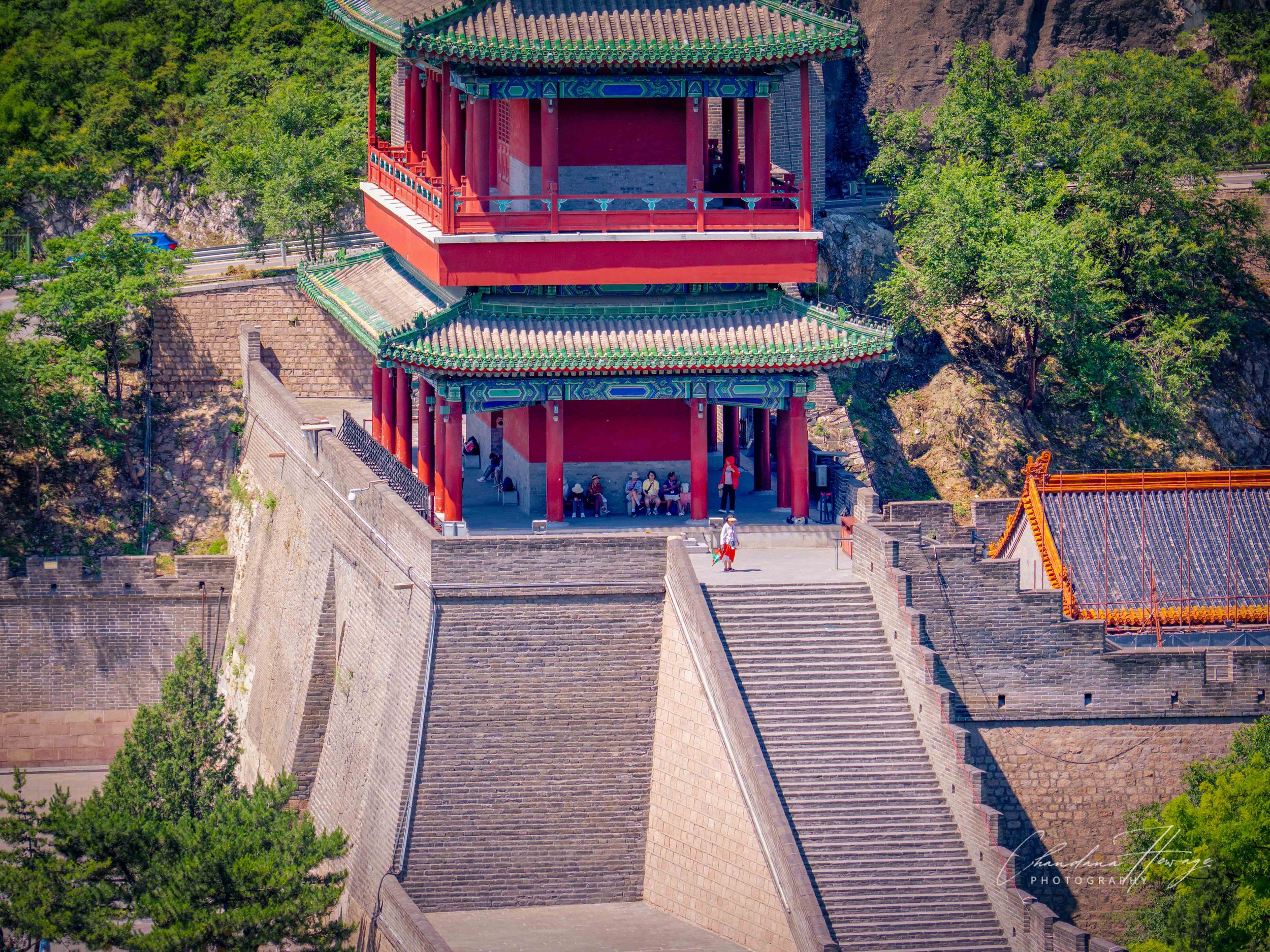
Grand 3-story watchtower at the Great Wall, named Jiayuguan Fort (Jiayu Pass). The plaque reads "The First and Greatest Pass Under Heaven".
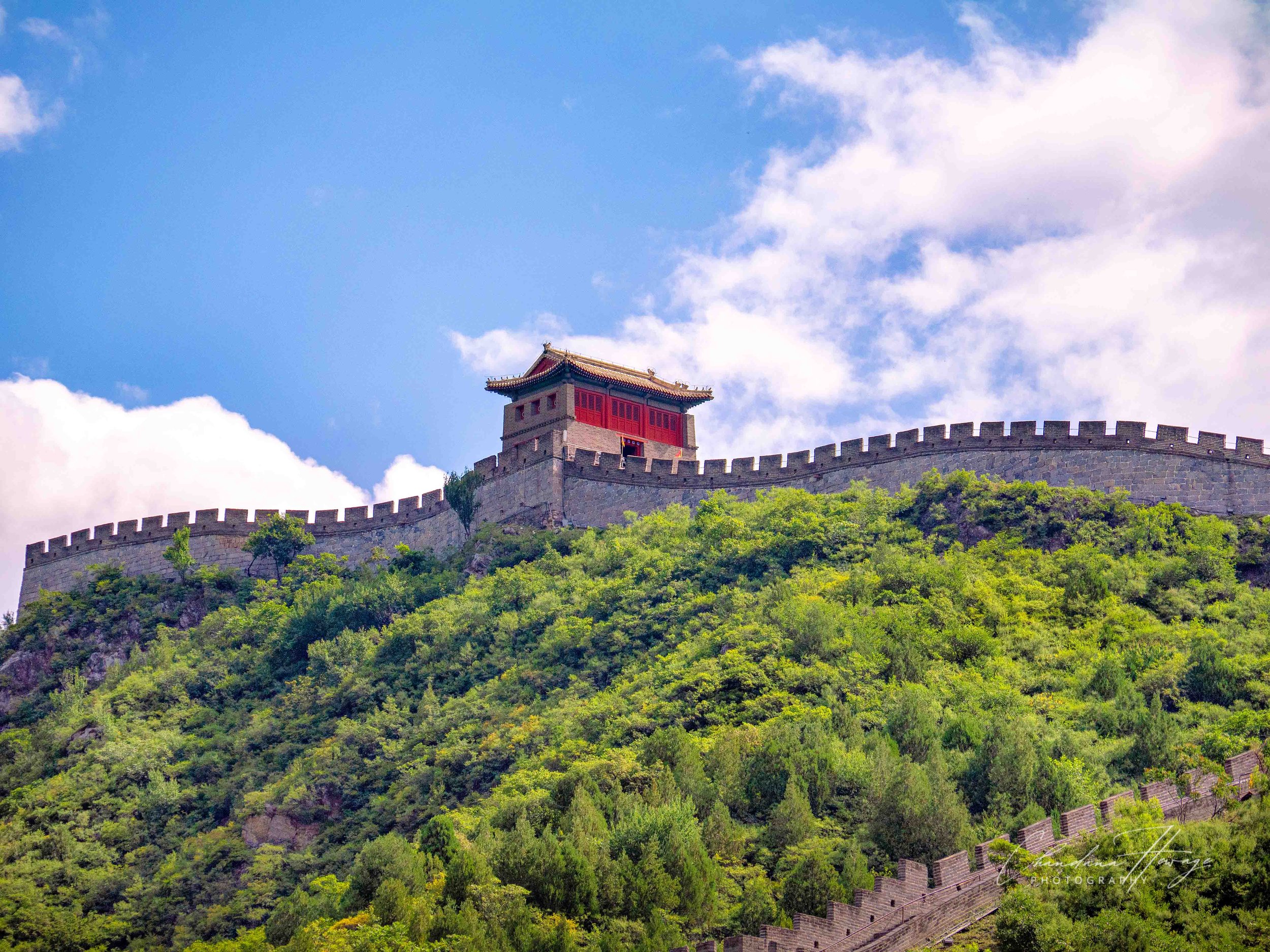
The watchtower at the East Mountain from afar.
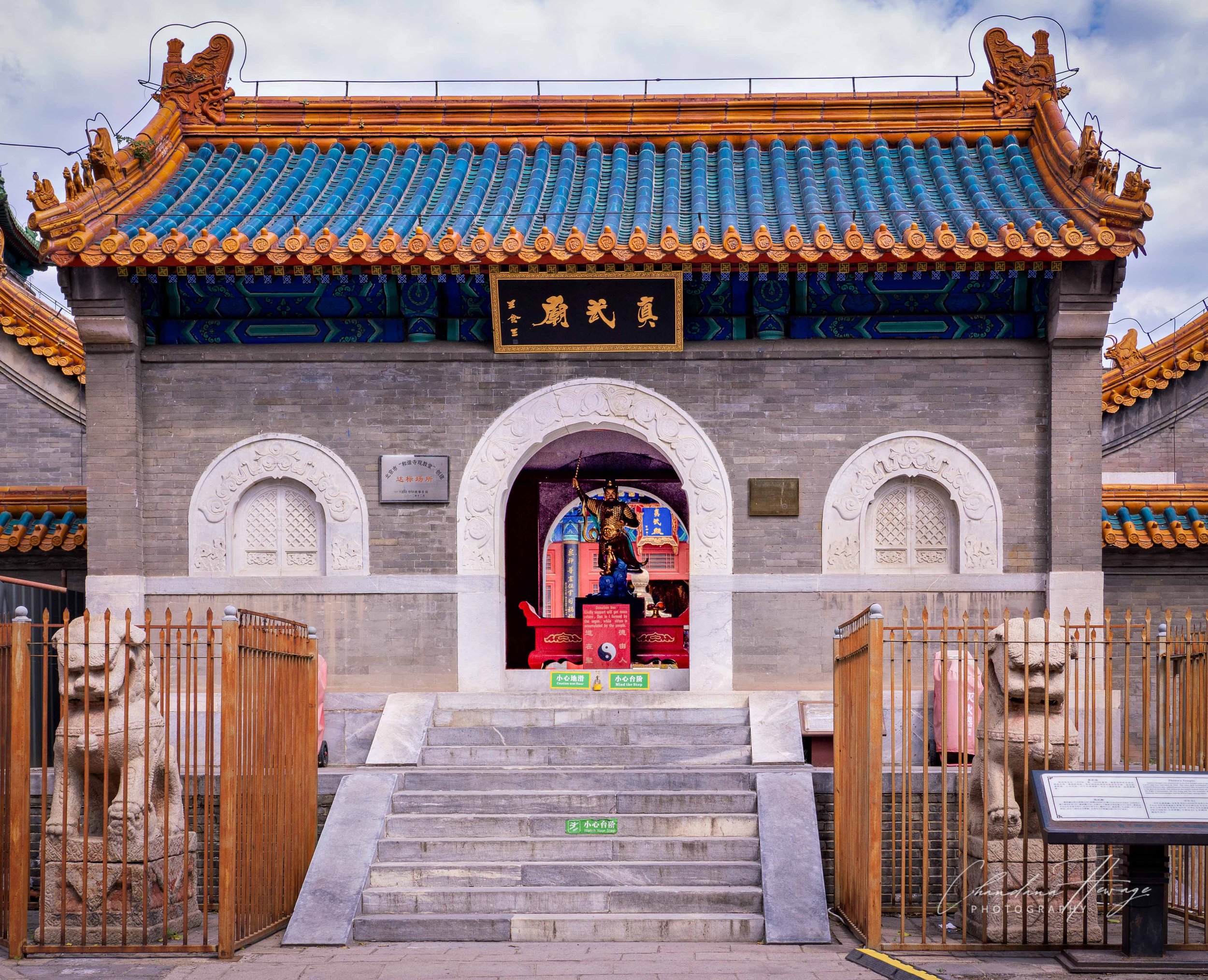
Zhenwu Temple. Constructed in the first year of the Ming Dynasty in 1425.
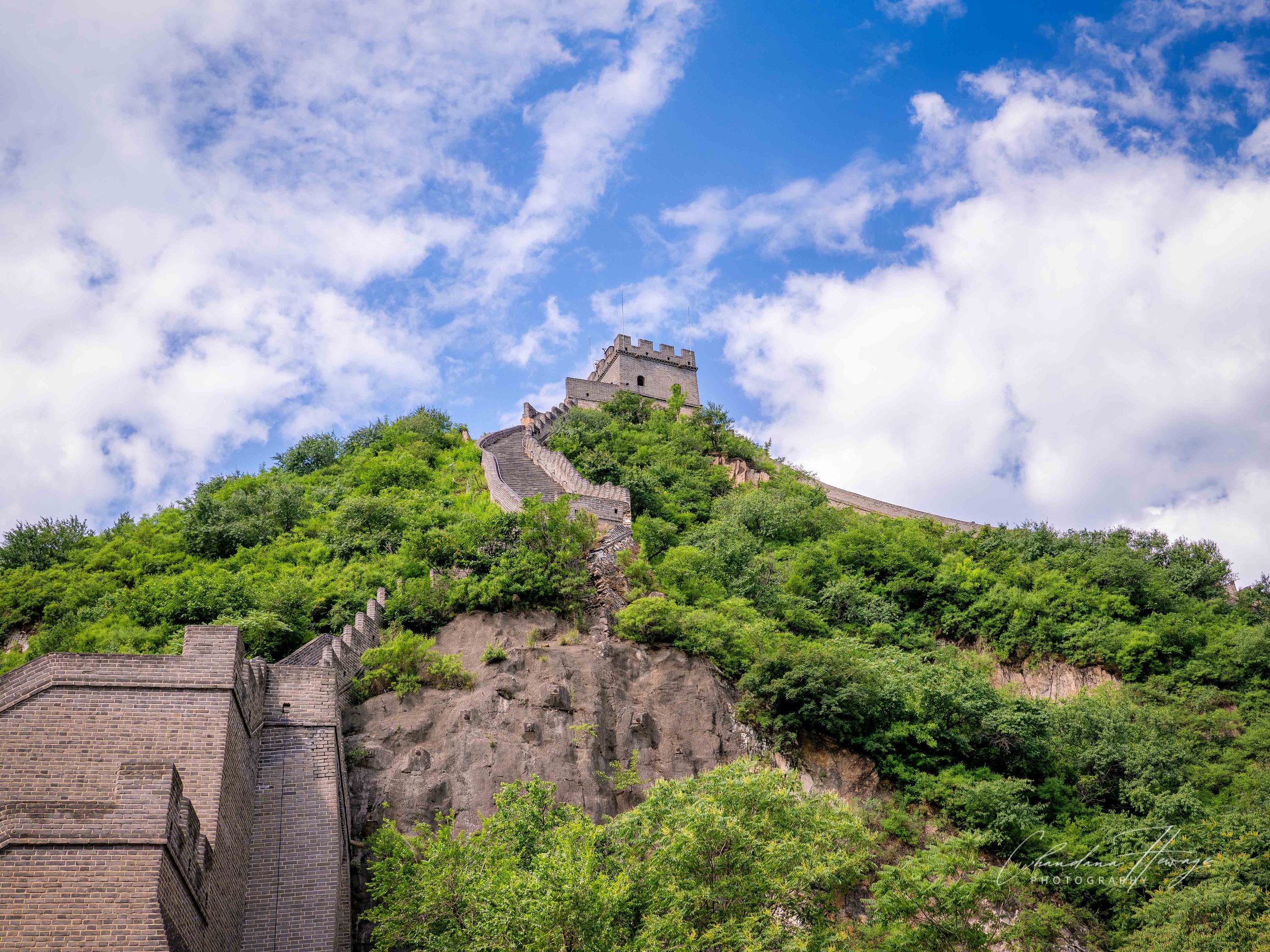
Watchtower No: 20, also called the Hero Platform/ Hero Terrace, at the Mutianyu section of the Great Wall.
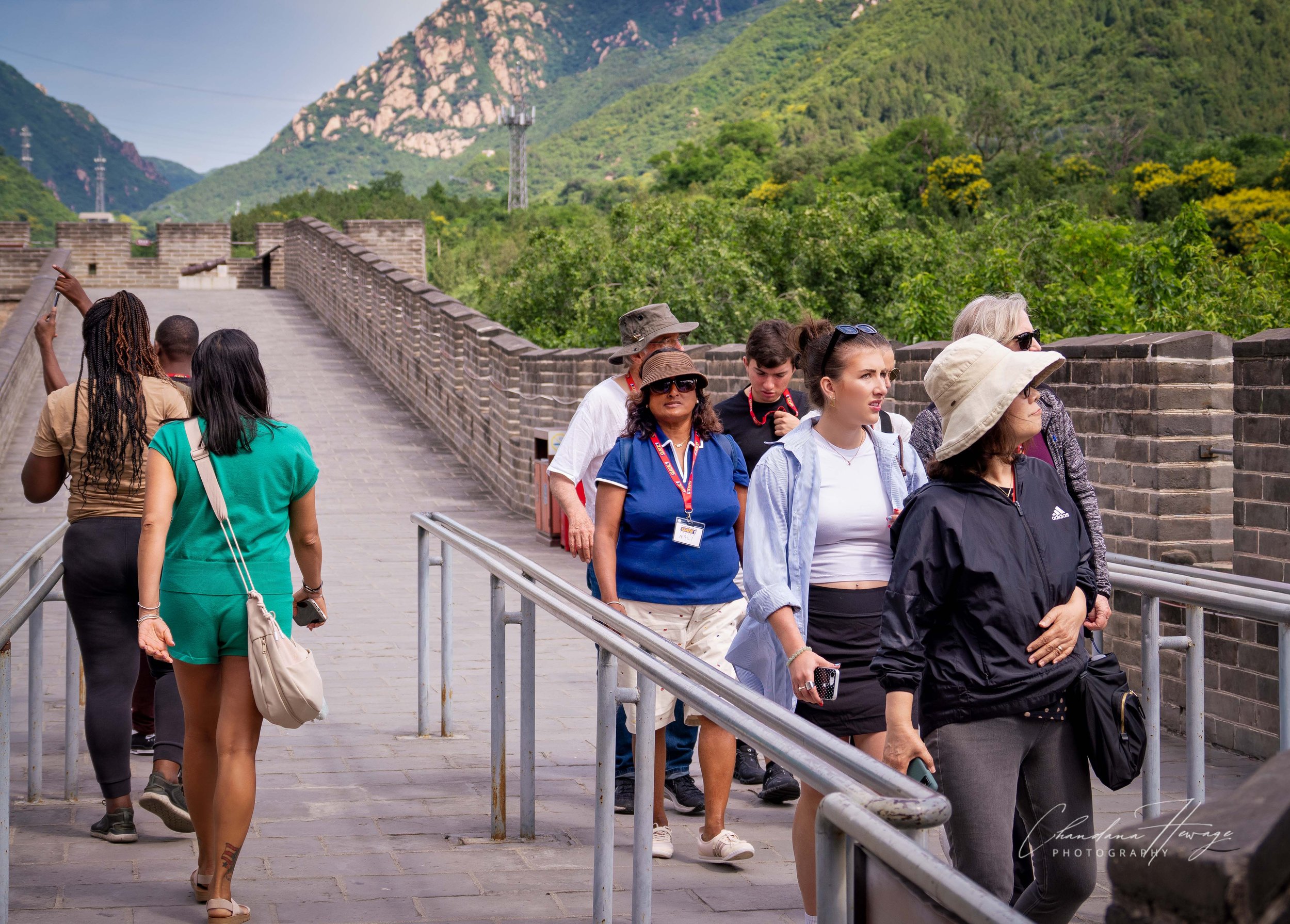
Our Group. Some are going up, and others down.
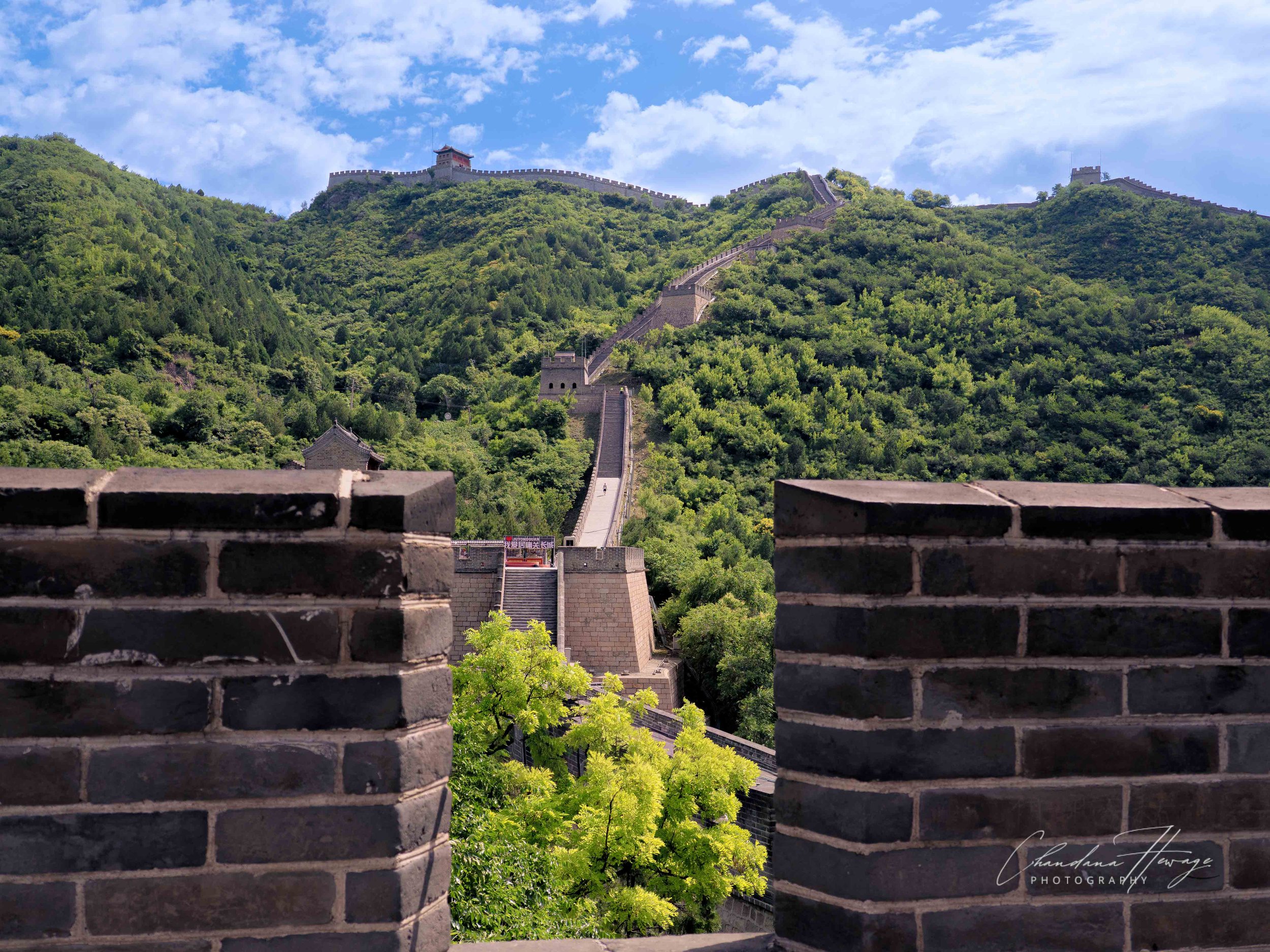
My total climb. Made it to the top. Counted 800+ steps on my way back (without the area with no steps). Because of its extreme, gravity-defying steepness, this specific mountain climb is famously nicknamed the "Hero's Slope" or the "Stairway to Heaven". This section of the Wall was built in 1539 during the Ming Dynasty specifically to support the defenses of the nearby Jiayuguan Fort. It closed a critical gap in the valley to prevent invaders from looping around in the pass.
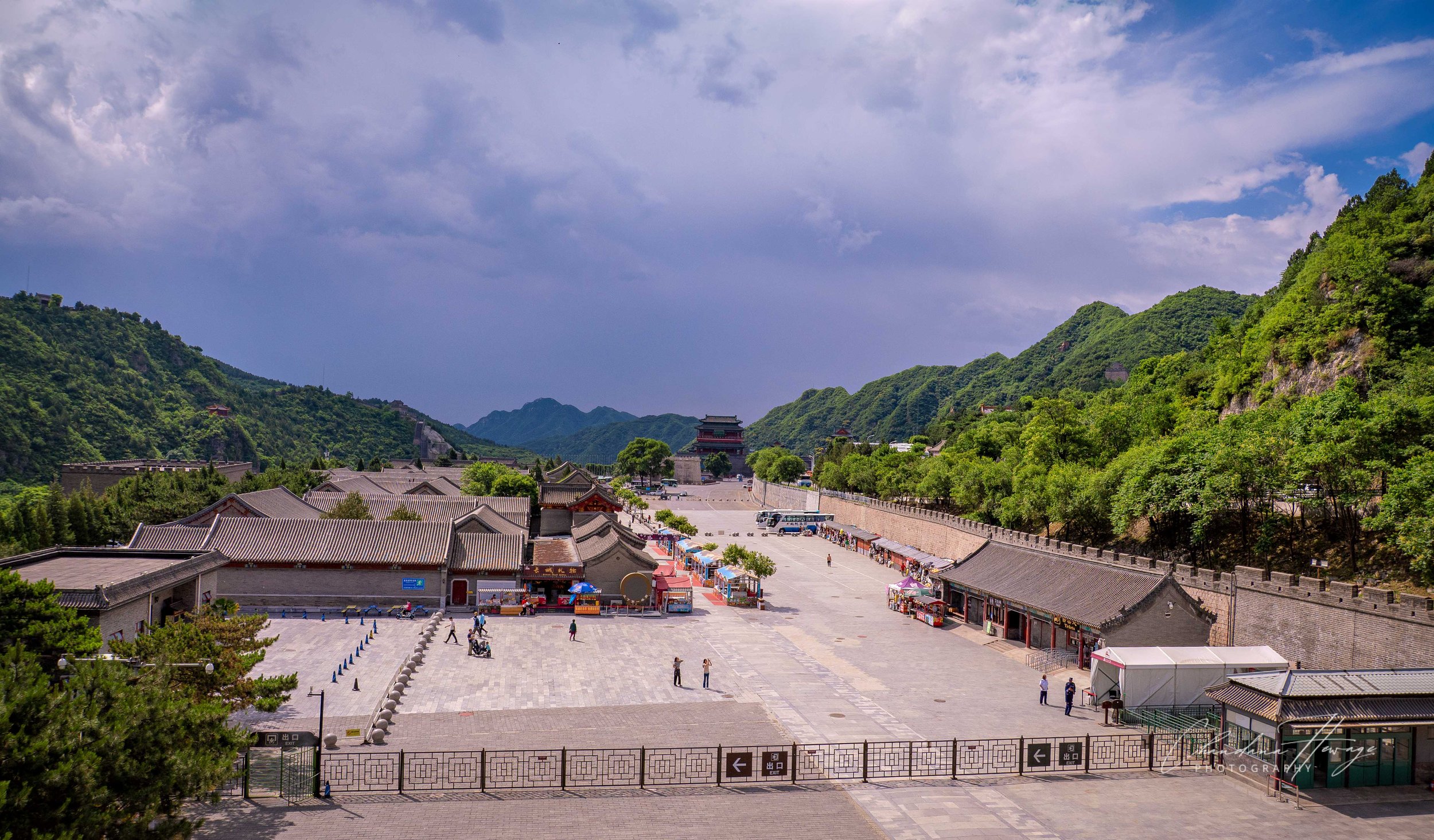
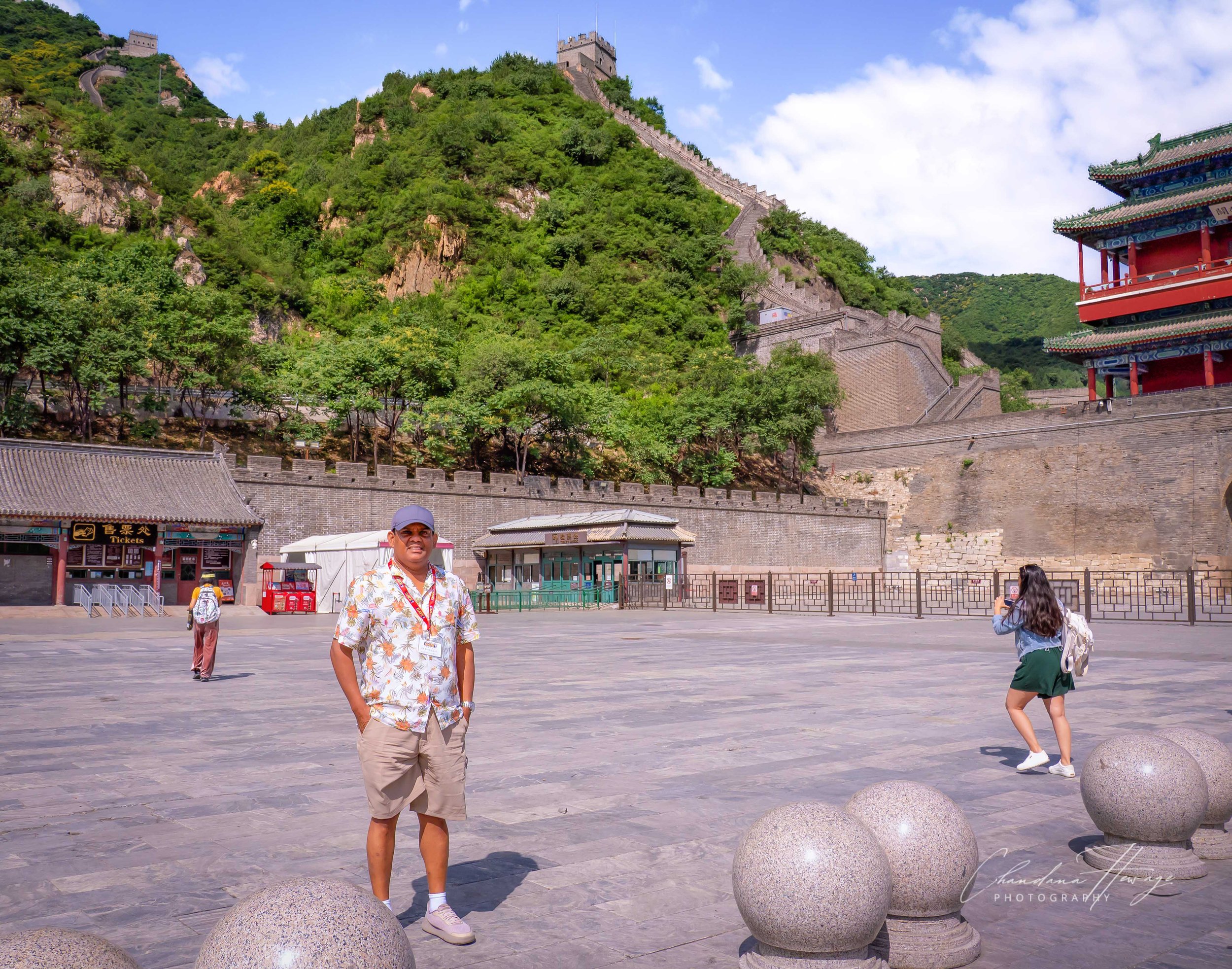
The morning drizzle made the temperature cooler. This is the main entrance to the Juyongguan Great Wall. Located in the Changping District, about 60 Km north of Beijing. Juyongguan is a massive, circular fortress nestled deeply within a rugged mountain valley.
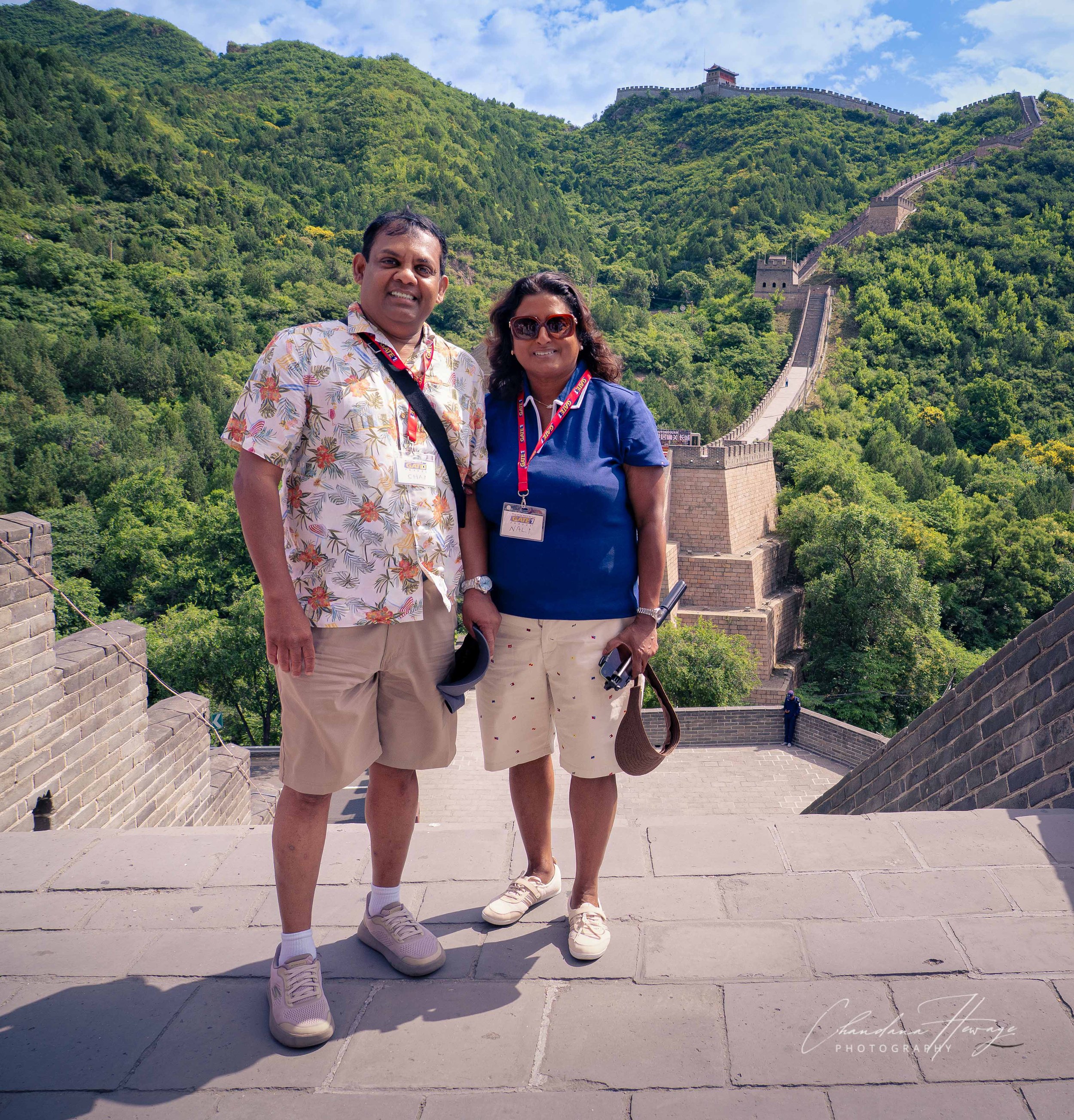
Halfway to the top
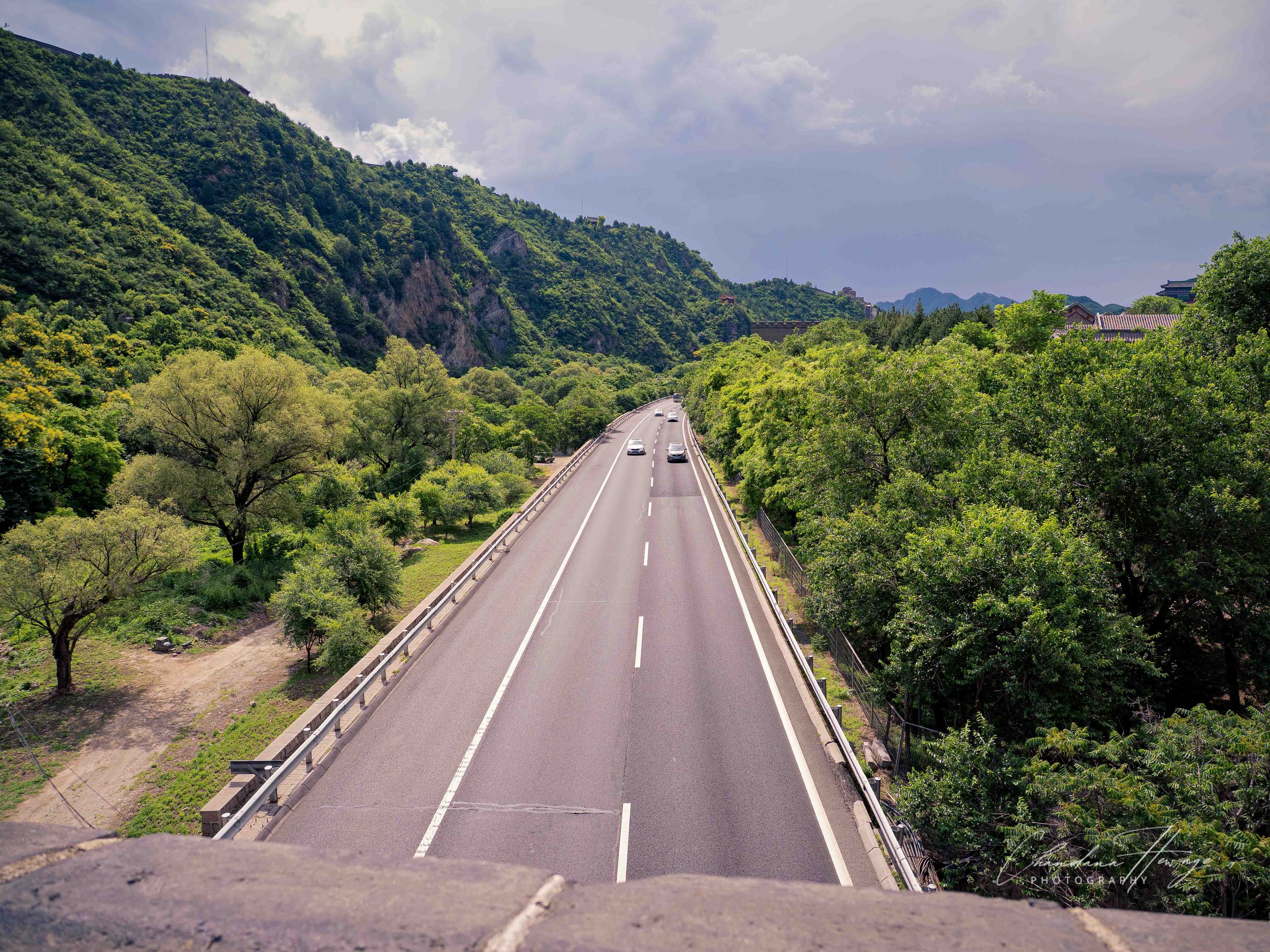
Overlooking the highway.
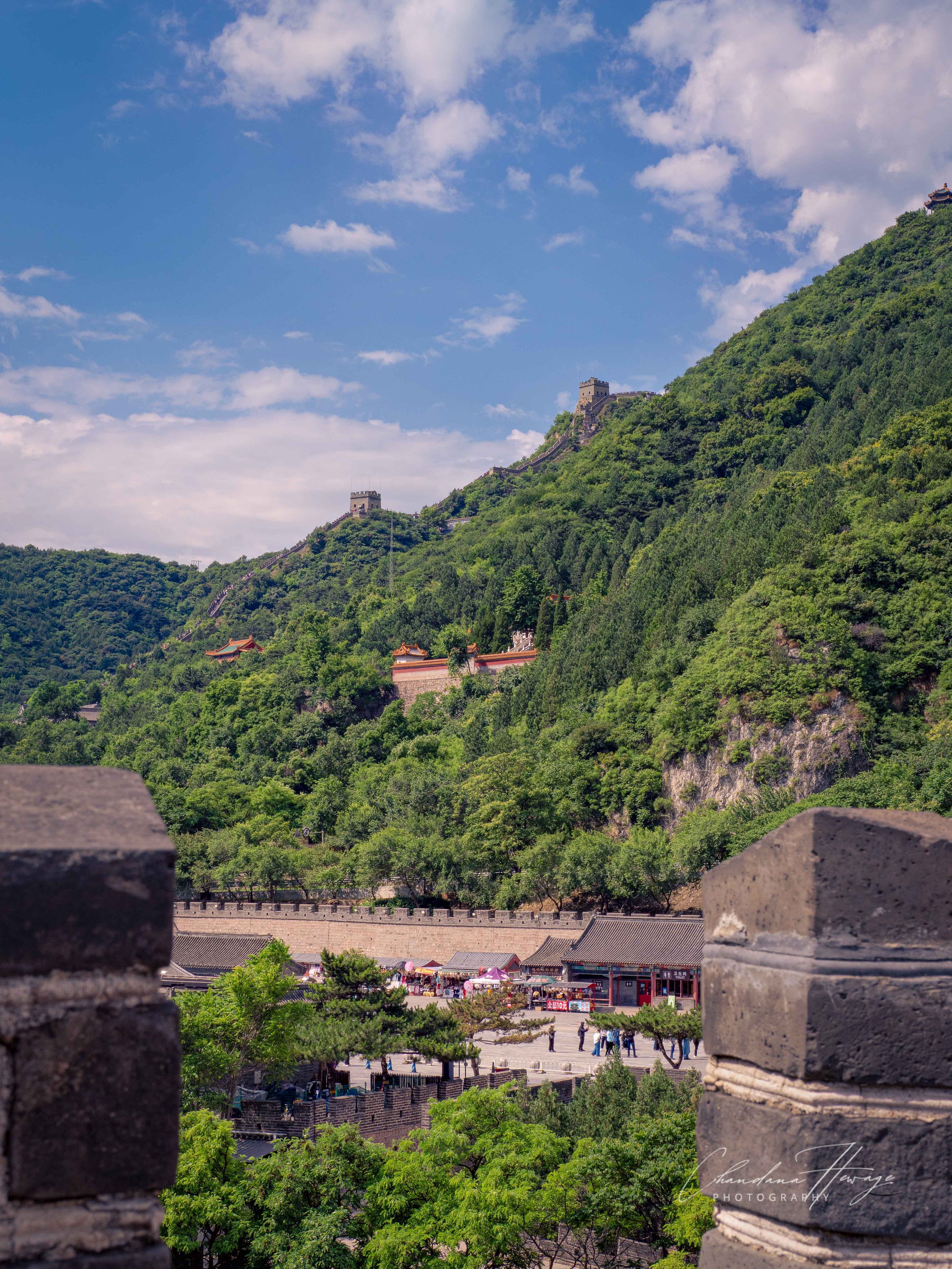
Another part of the Juyongguan Great Wall loop with watchtowers at an angle.
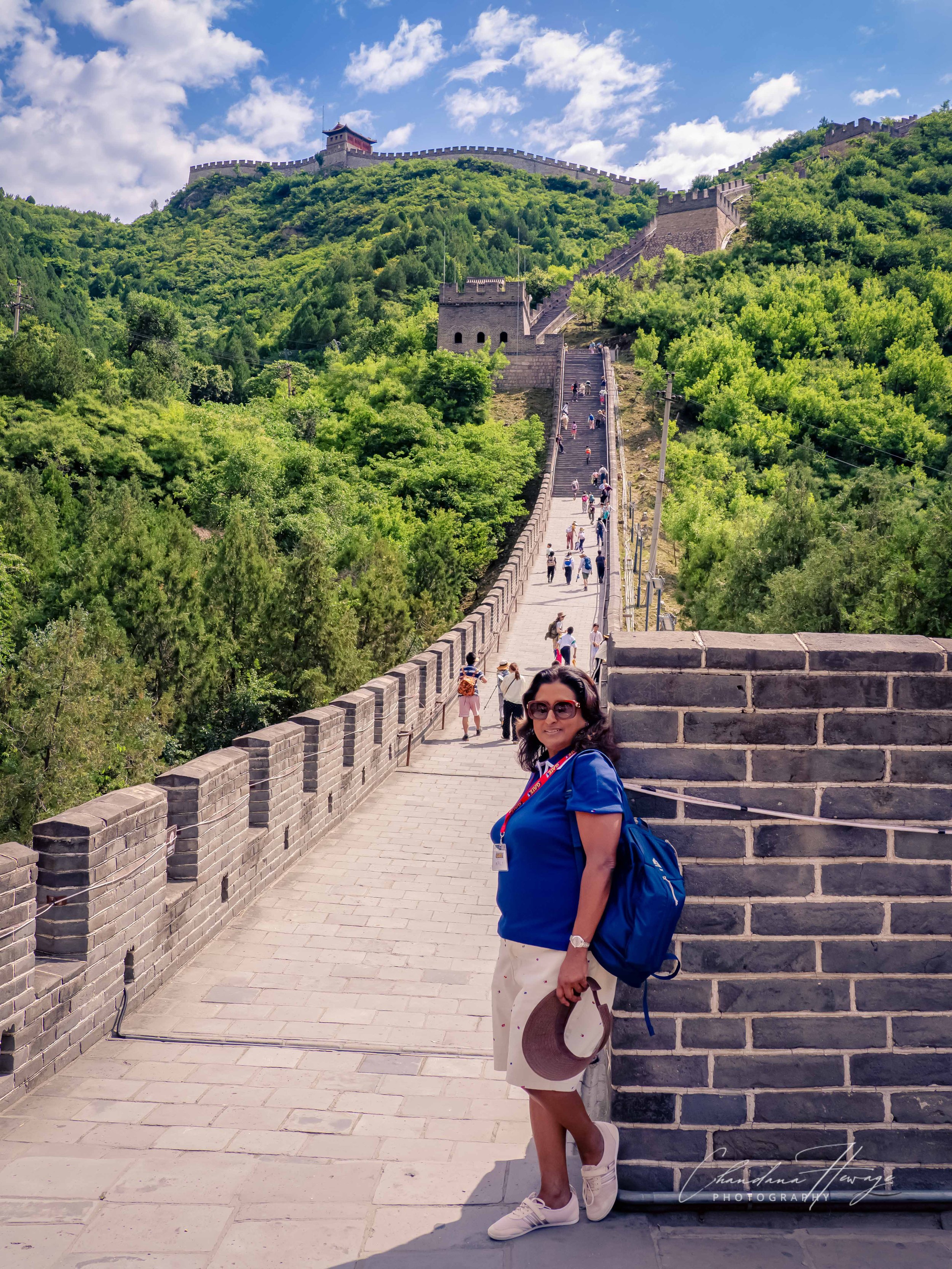
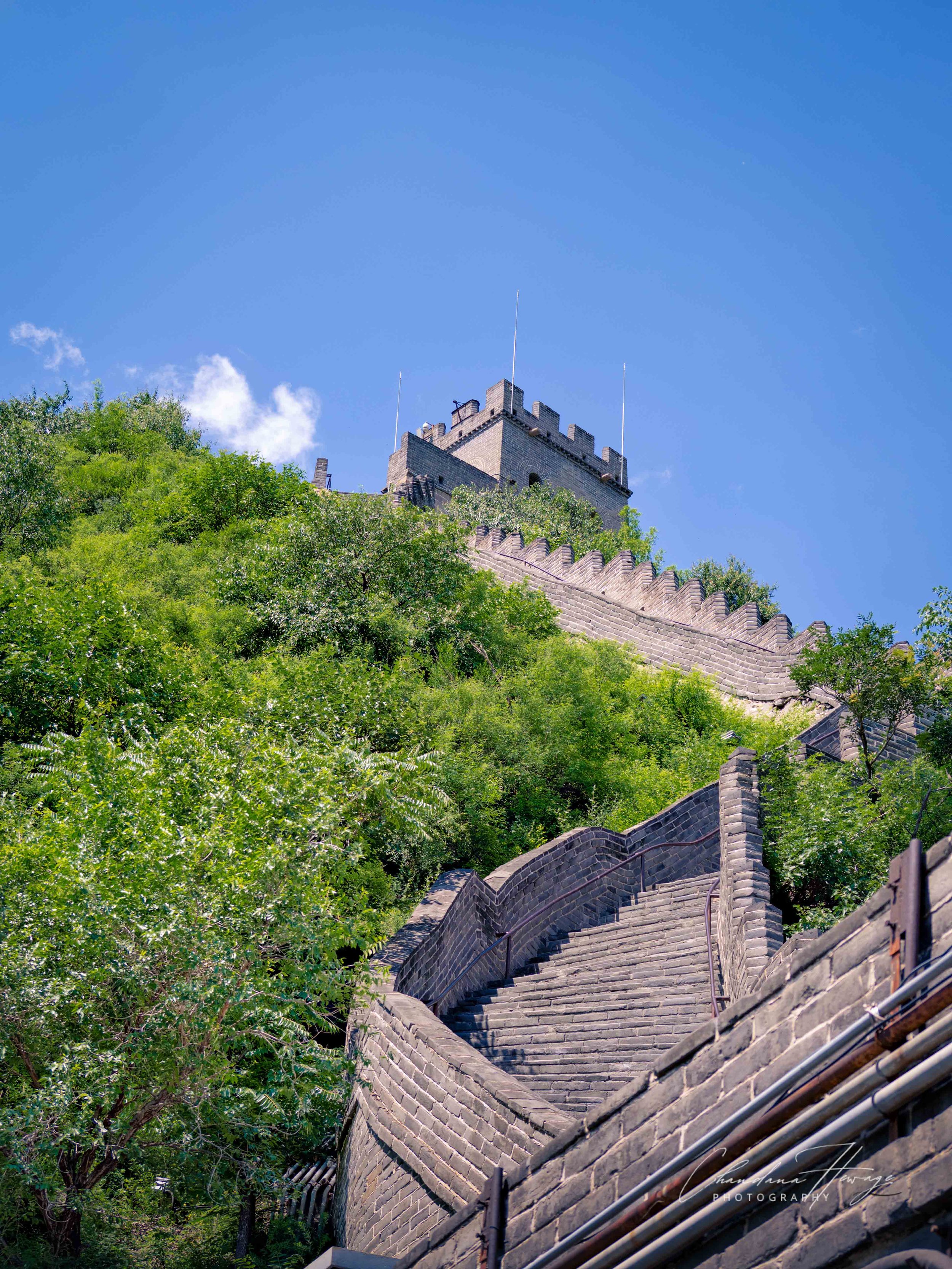
Nali is approaching the square, gray-brick watchtower No 11, directly at the top of this first steep staircase segment. The watchtower features the characteristic arched window openings used by the Ming Dynasty guards.
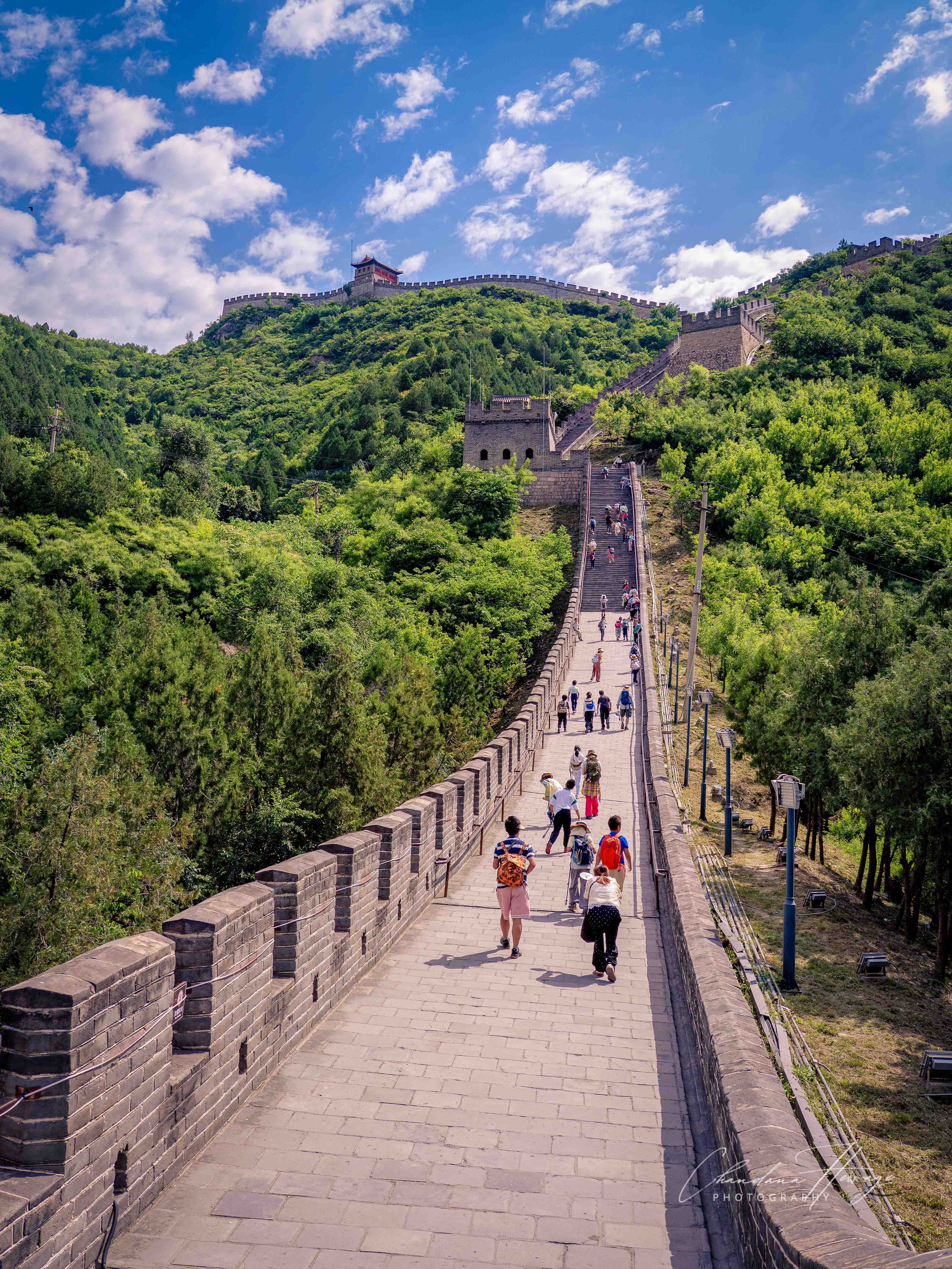
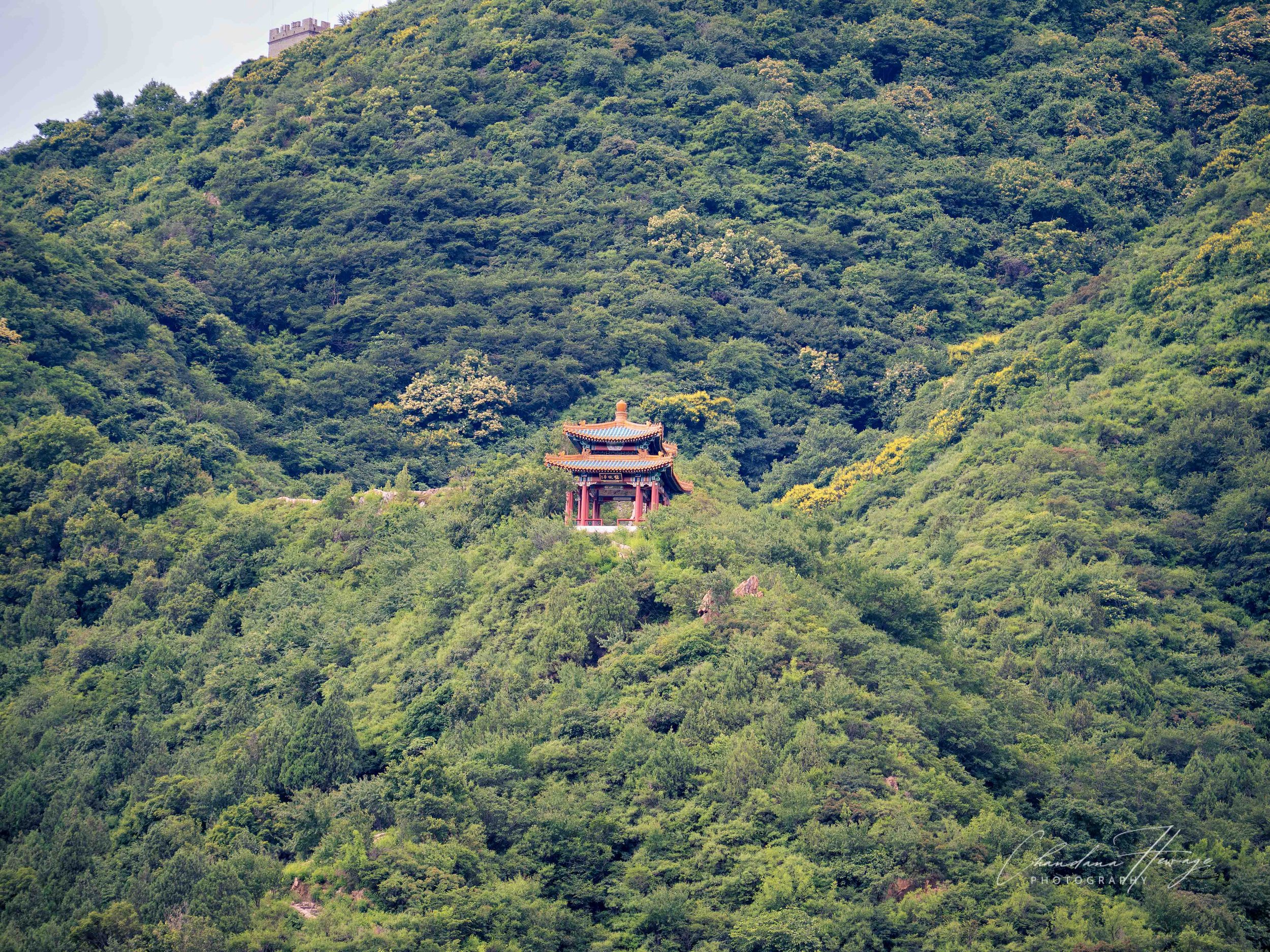
Cuiping Pavilion - a traditional Chinese viewing pavilion built on the mountain slopes of the Juyongguan Great Wall.
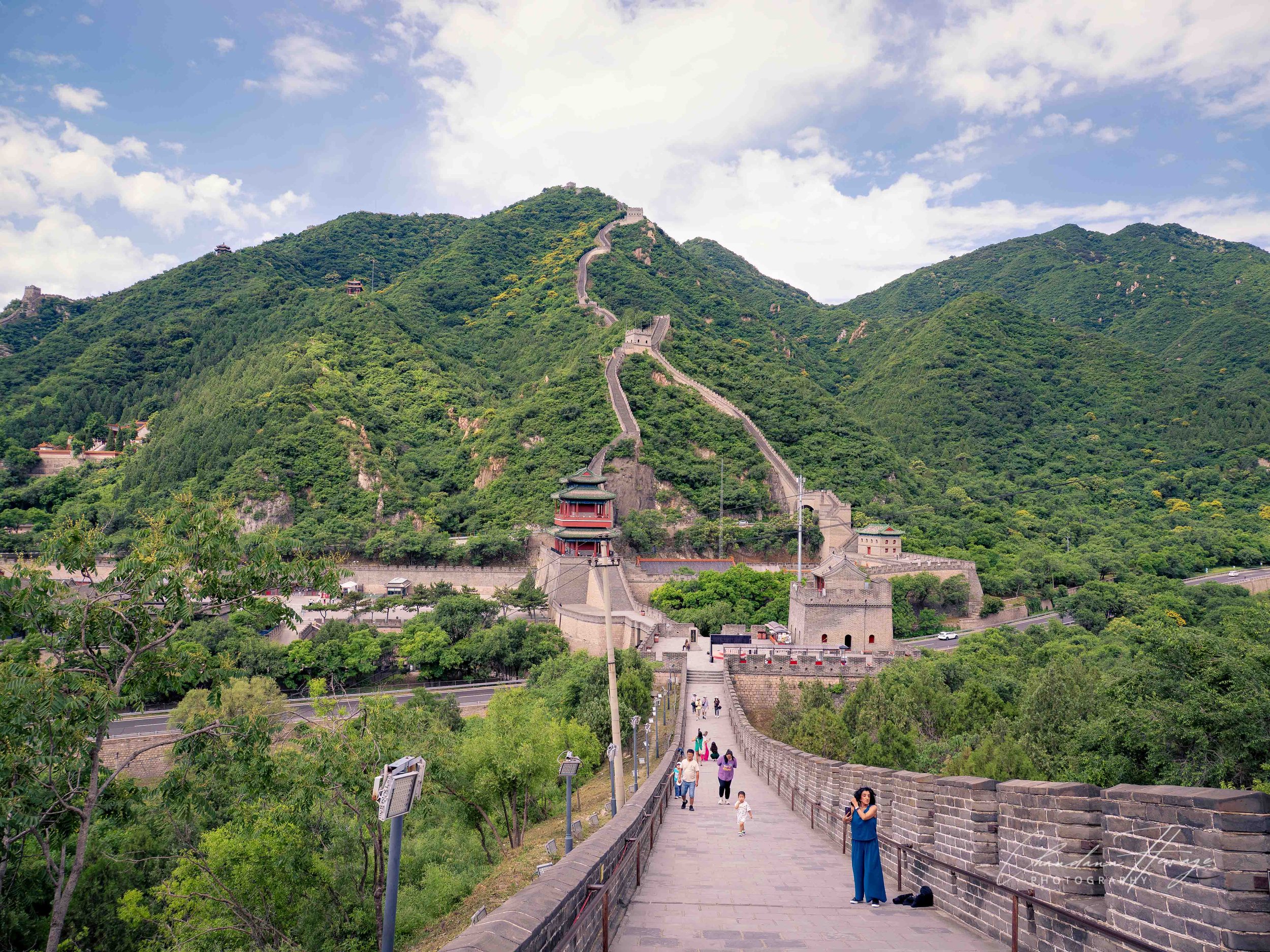
A part of the Juyongguan Great Wall loop. Juyongguan is structured as a continuous, closed defense ring surrounding a central valley fort.
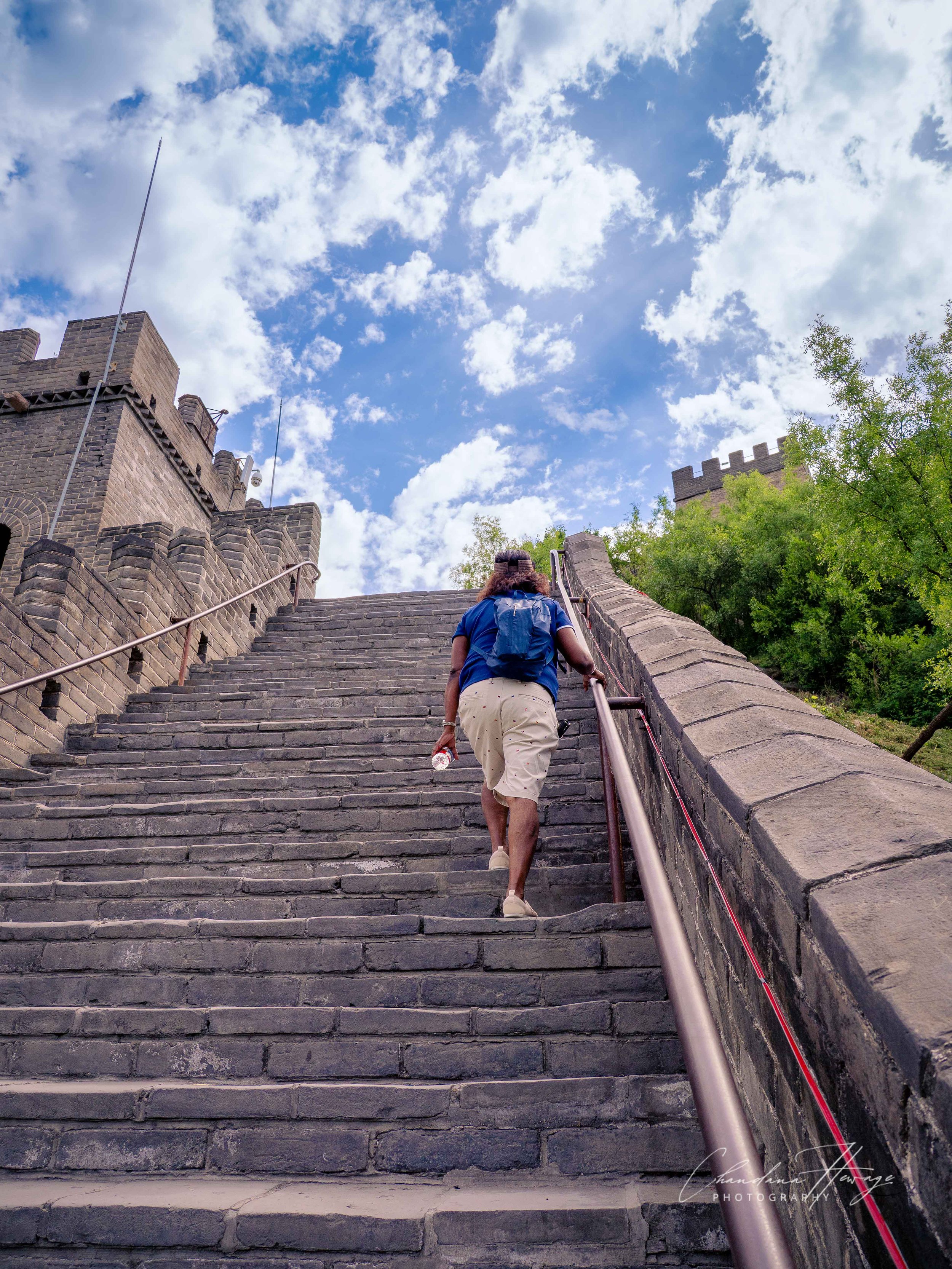
Nali is on a steep climb. The handrail is essential on the way back to maintain balance. Only the left side of the wall is engineered here for the battle.
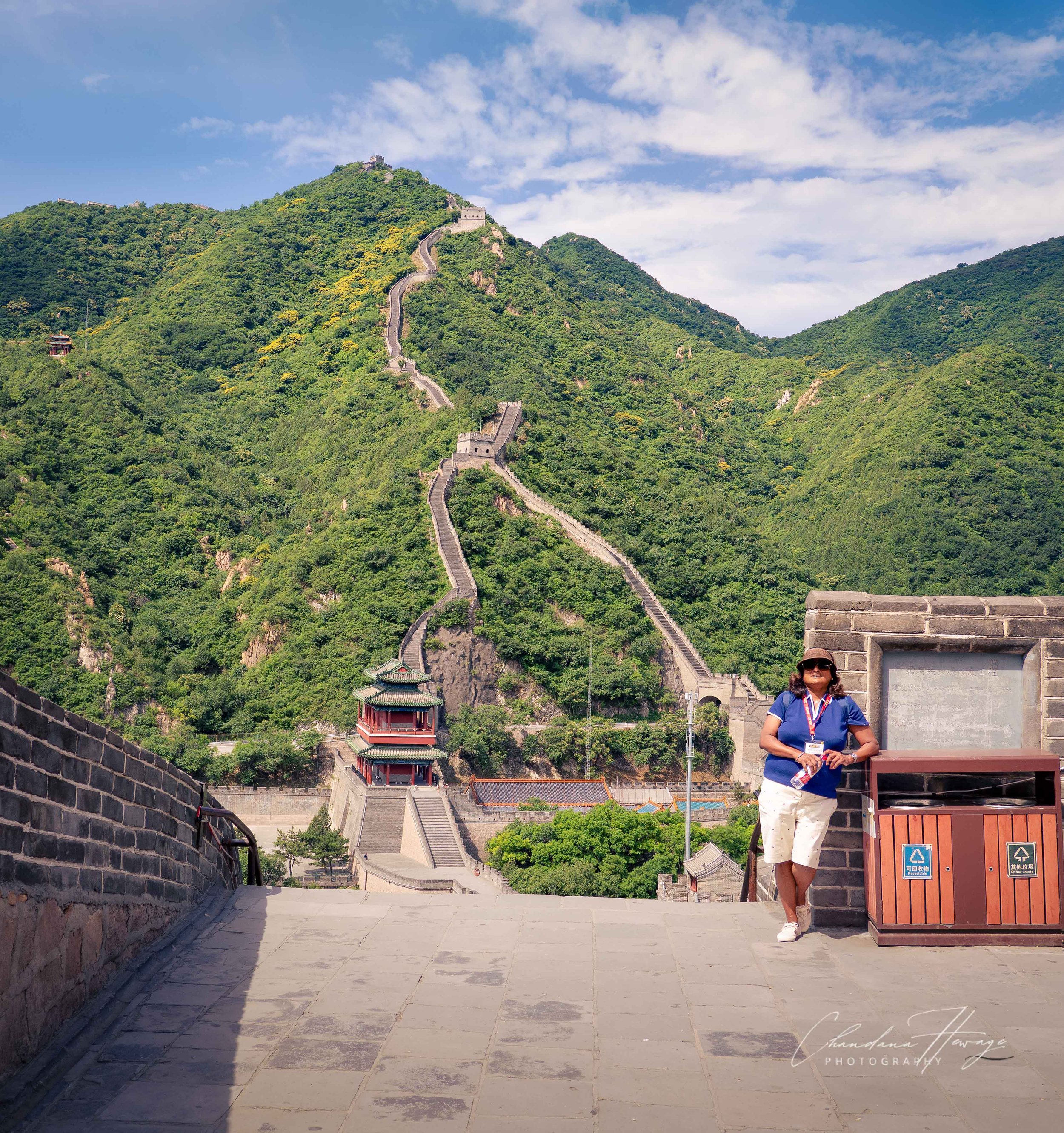
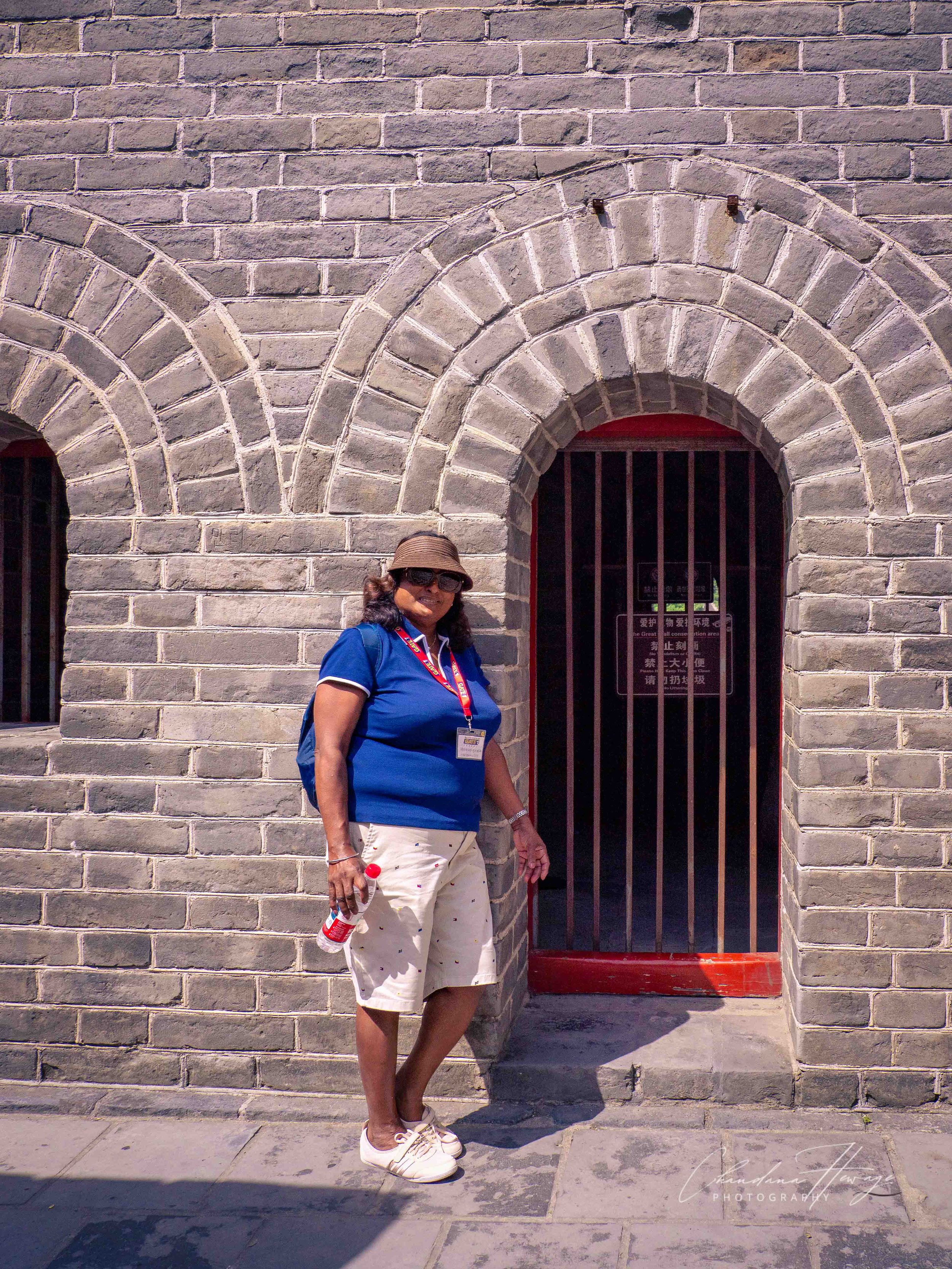
Nali is posing at a barred arched doorway of a watchtower. These openings provided access to internal staircases, arrow repositories, or lower garrison quarters.
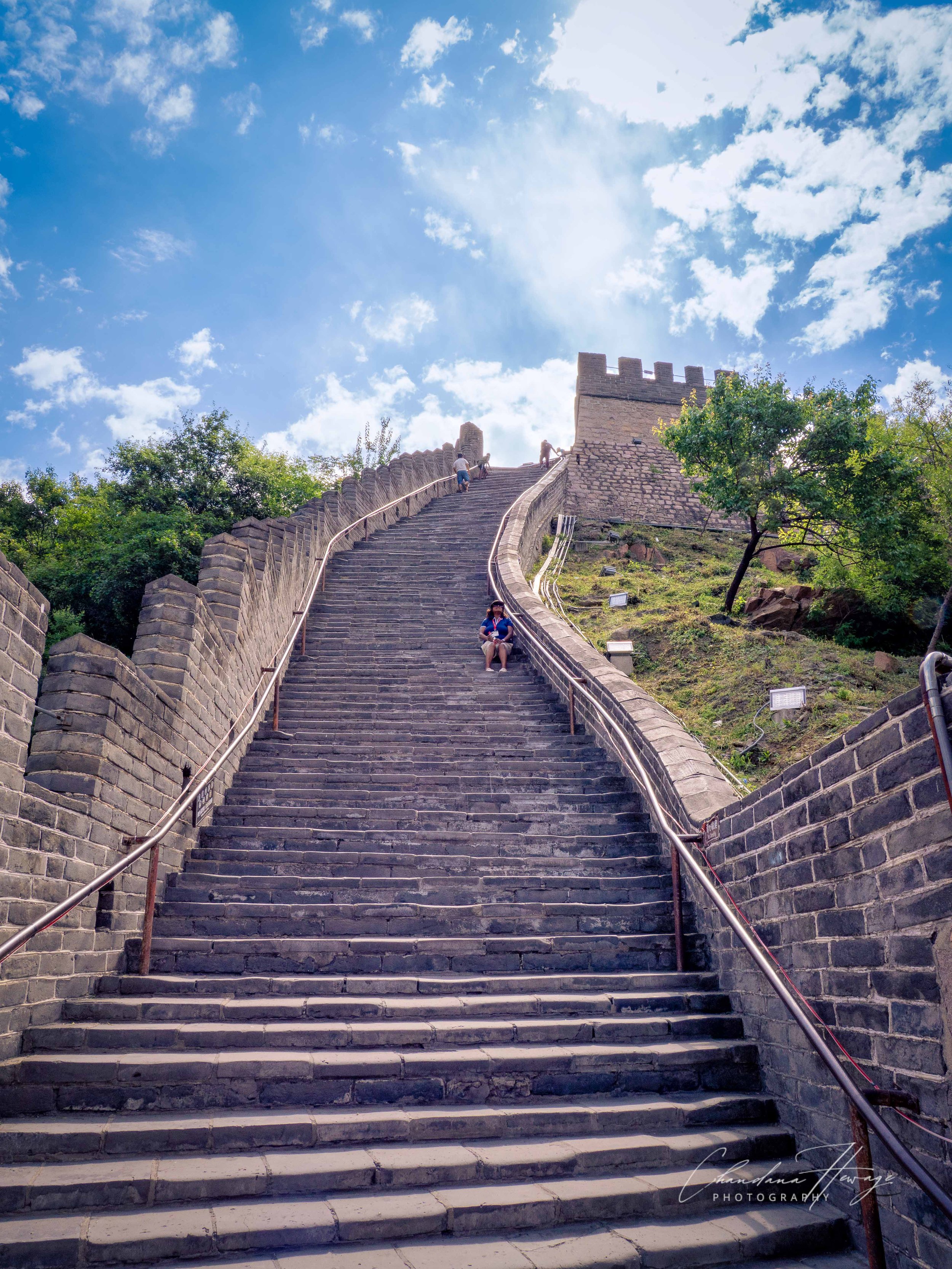
Nali is resting before climbing further. On the right, a high stone platform wall topped with traditional defensive crenels. This structural design allowed guards on the upper level to defend the vulnerable staircase below.
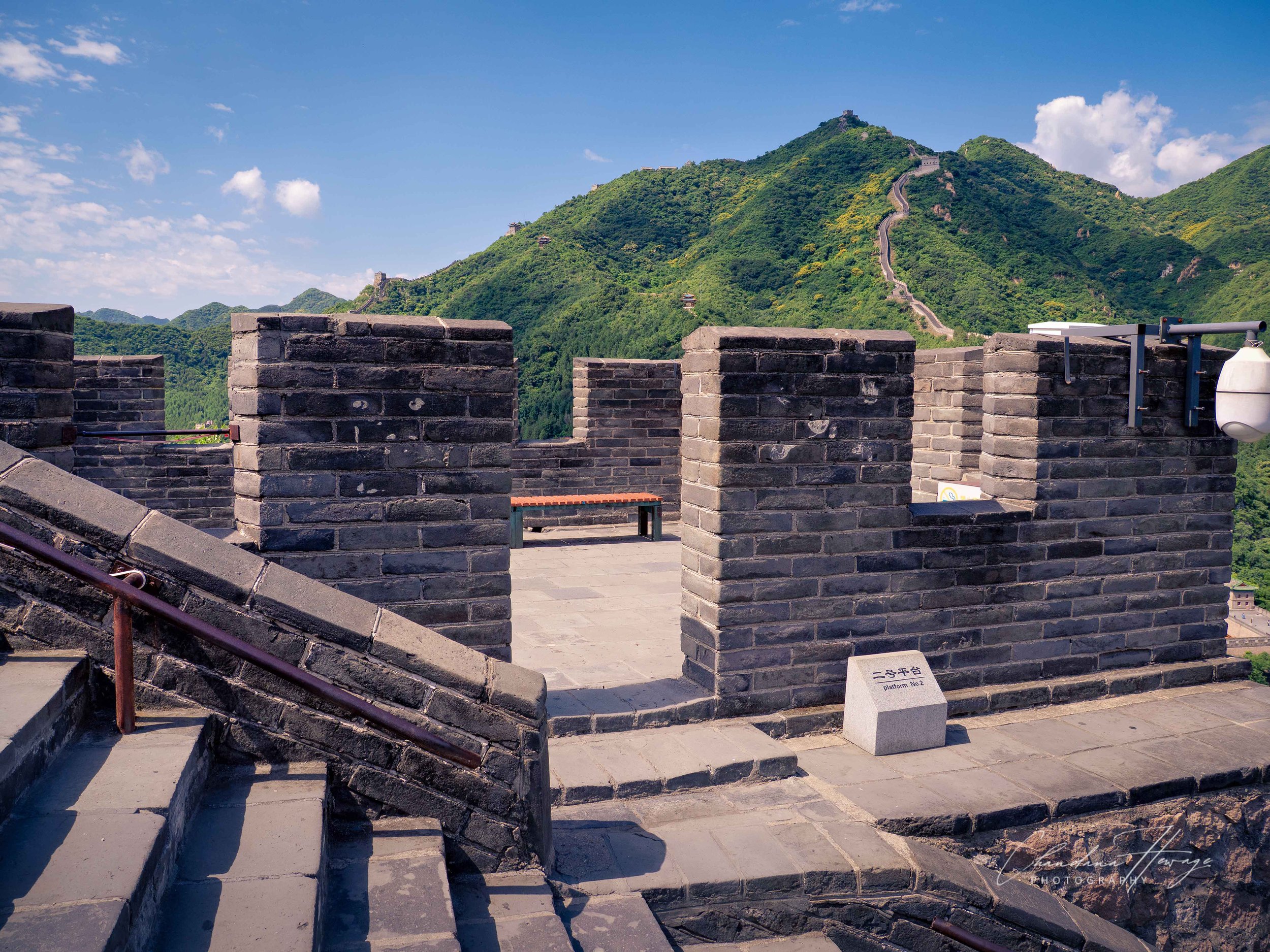
The high stone platform.
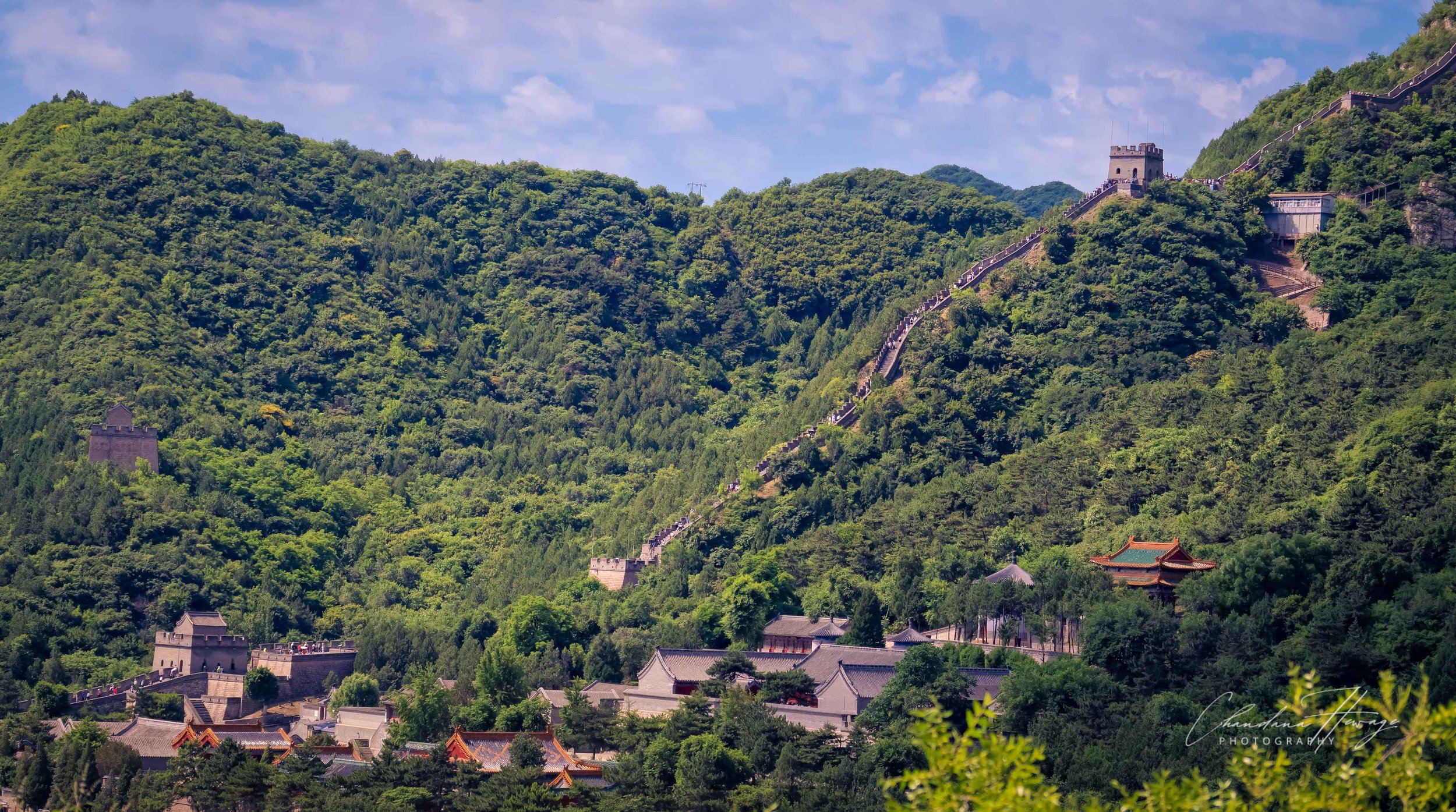
The West Route section of the Juyongguan Great Wall, showing the steep climb leading directly up toward West Watchtower No 13.
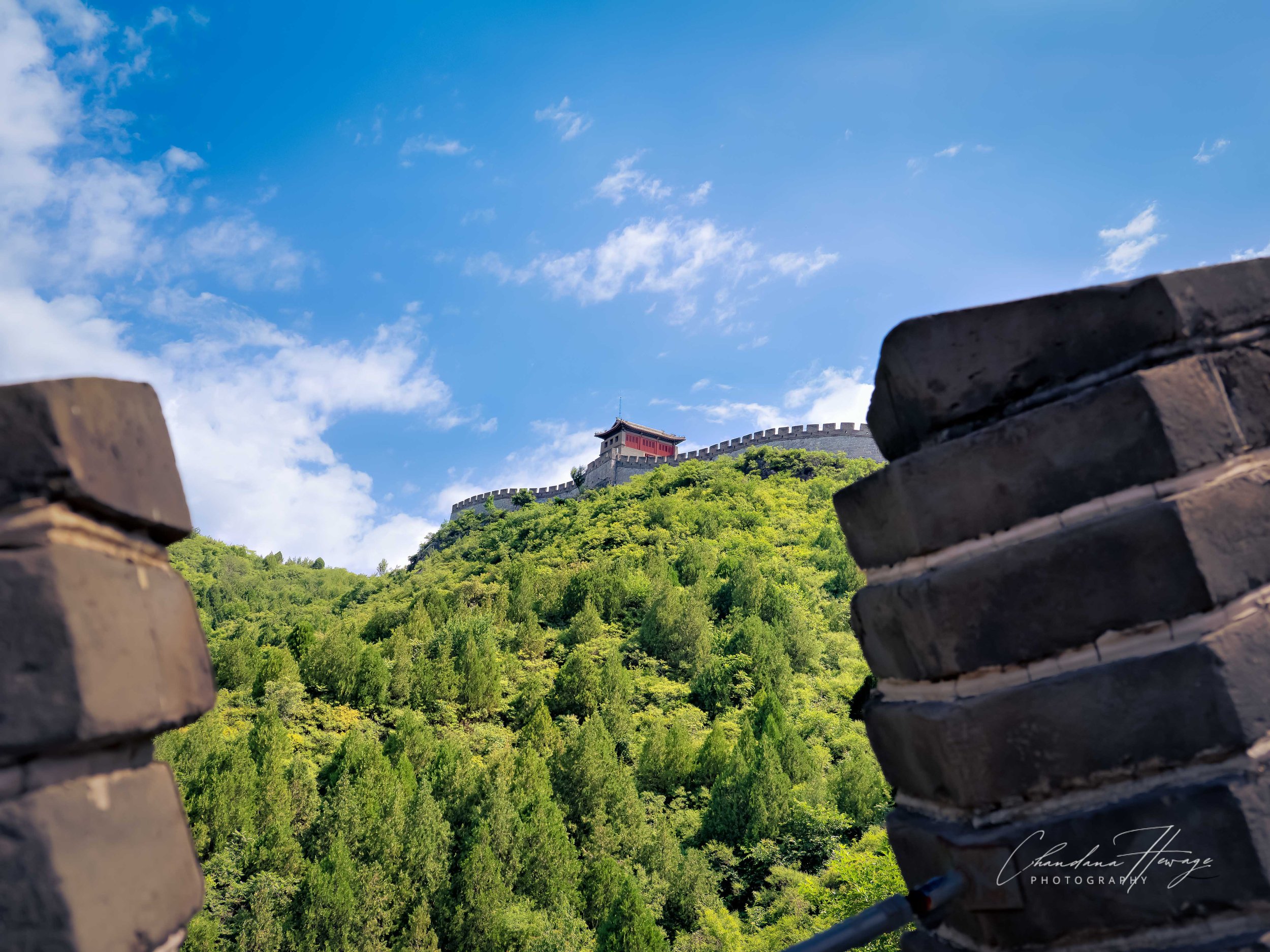
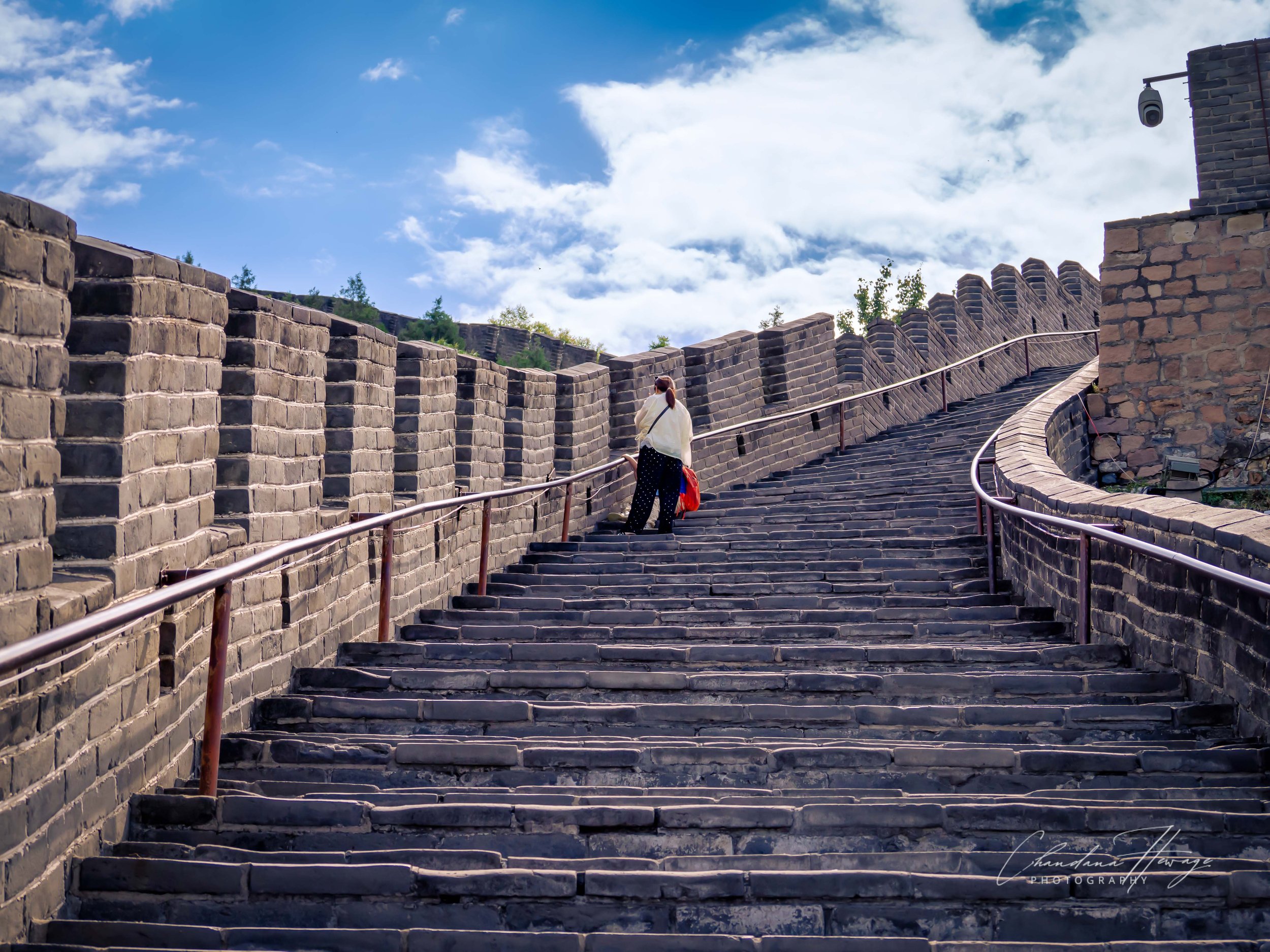
The changing pattern of the wall highlights a brilliant piece of Ming Dynasty military engineering known as HERRINGBONE WALLING or stepped battlements. The tops of the bricks are laid in a diagonal, zig-zag pattern, creating a "sawtooth" profile that perfectly mirrors the severe angle of the ascending steps.
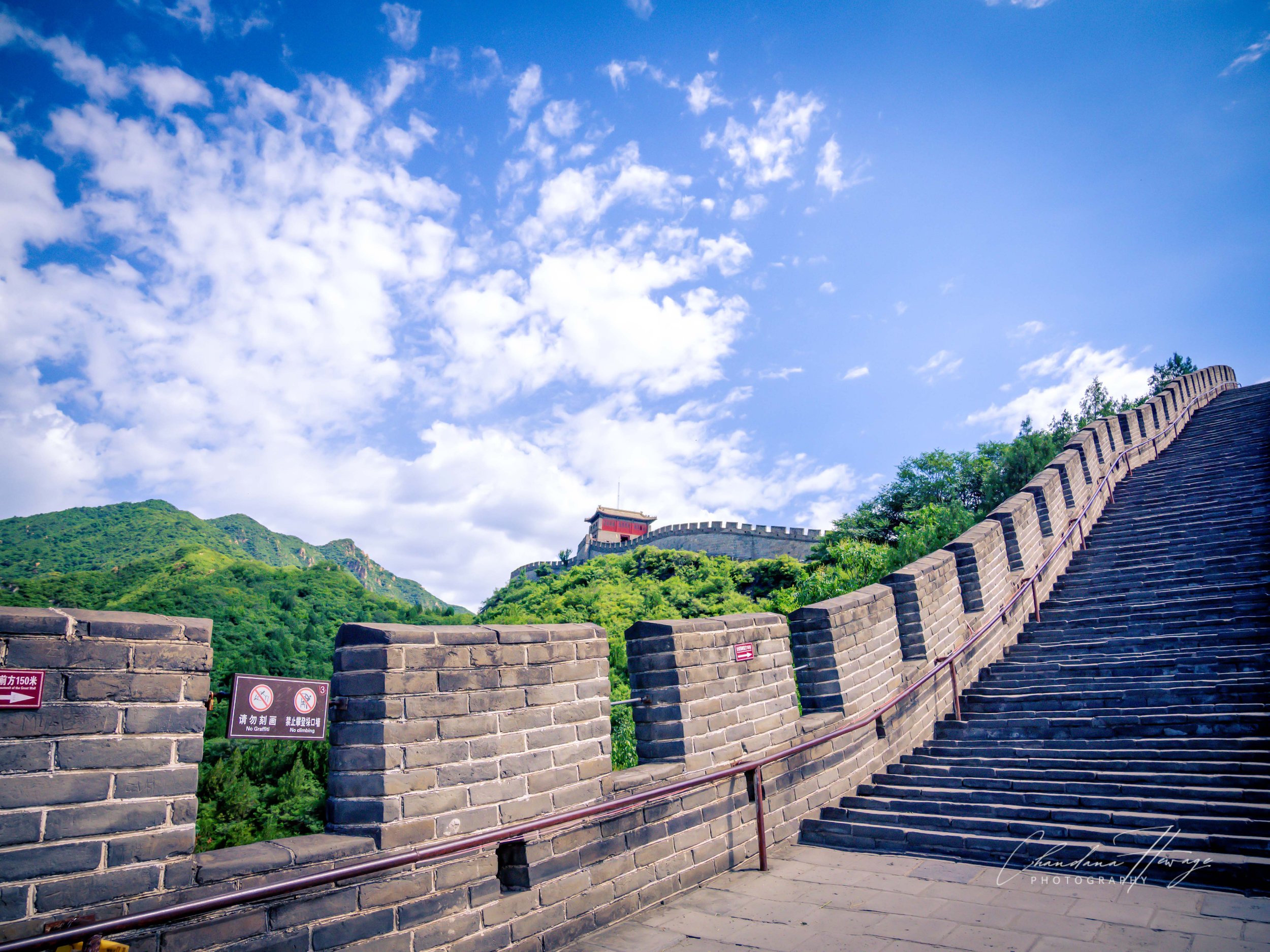
CRENELLATED BATTLEMENTS: the wall features blocky, alternating tooth-like structures. The lower portion of each merlon (tooth) has a small cutout square. These are loopholes used by archers and guards to safely fire downwards at incoming forces.
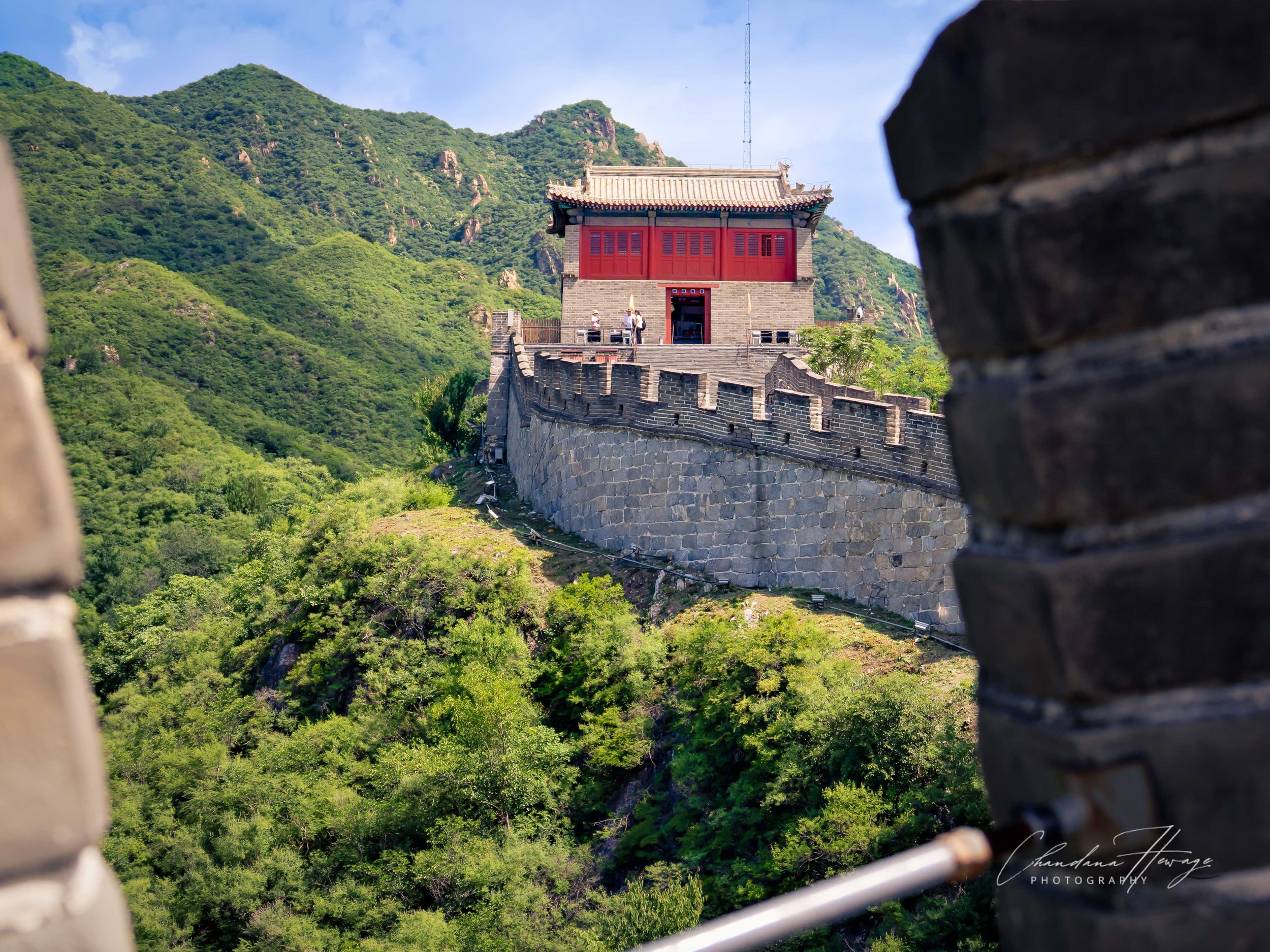
The Main Tower (Zhengloutai) or No 4 watchtower is located at the Mutianyu section of the Great Wall. Built in 1404 during the Ming Dynasty. This fortress tower sits at a vital geographical bottleneck. It controls the intersection where the main walls split. It is also a rare 3-tower design, which features a distinctive red-panel upper story and a traditional gabled roof.
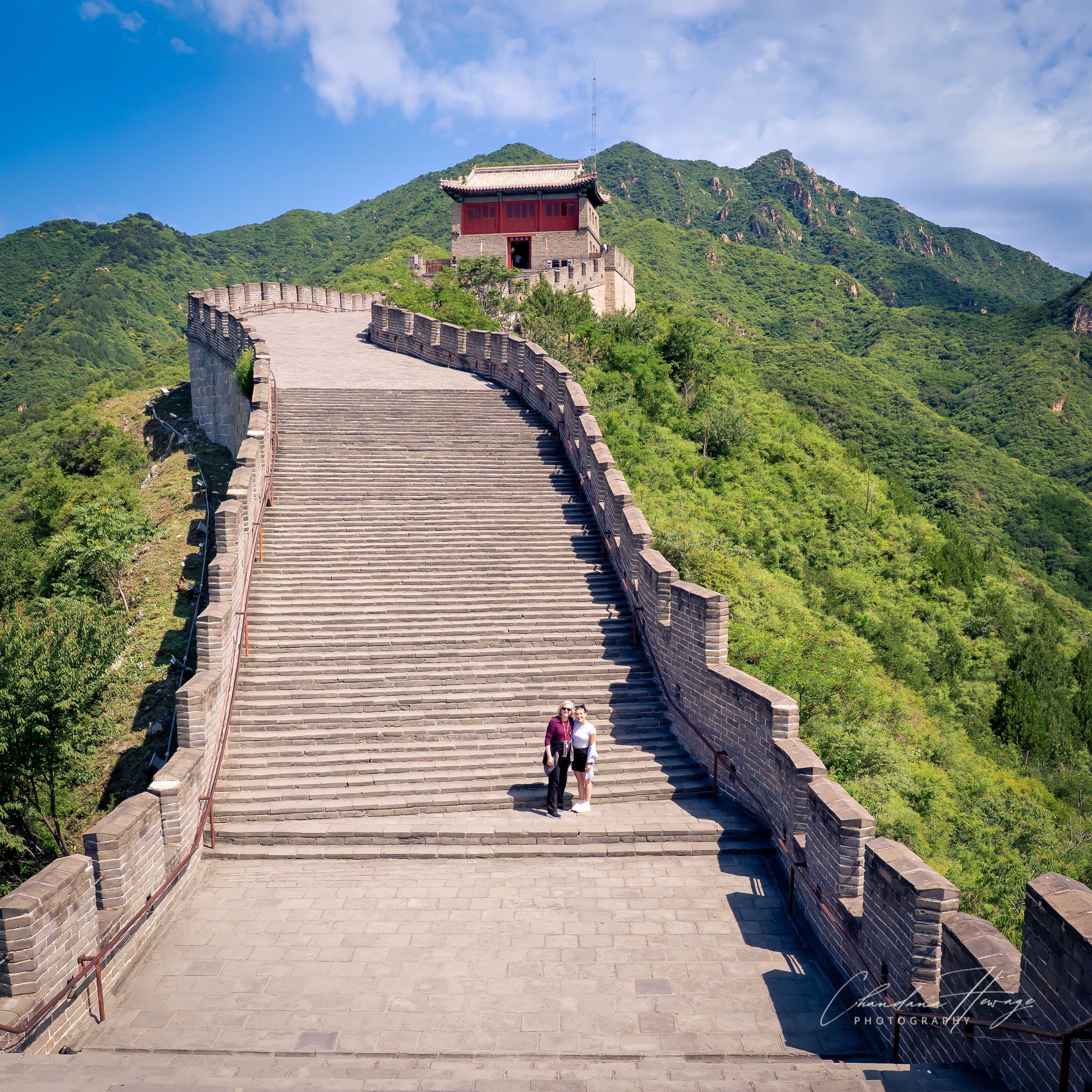
Holly and Makenzy pose near the top.
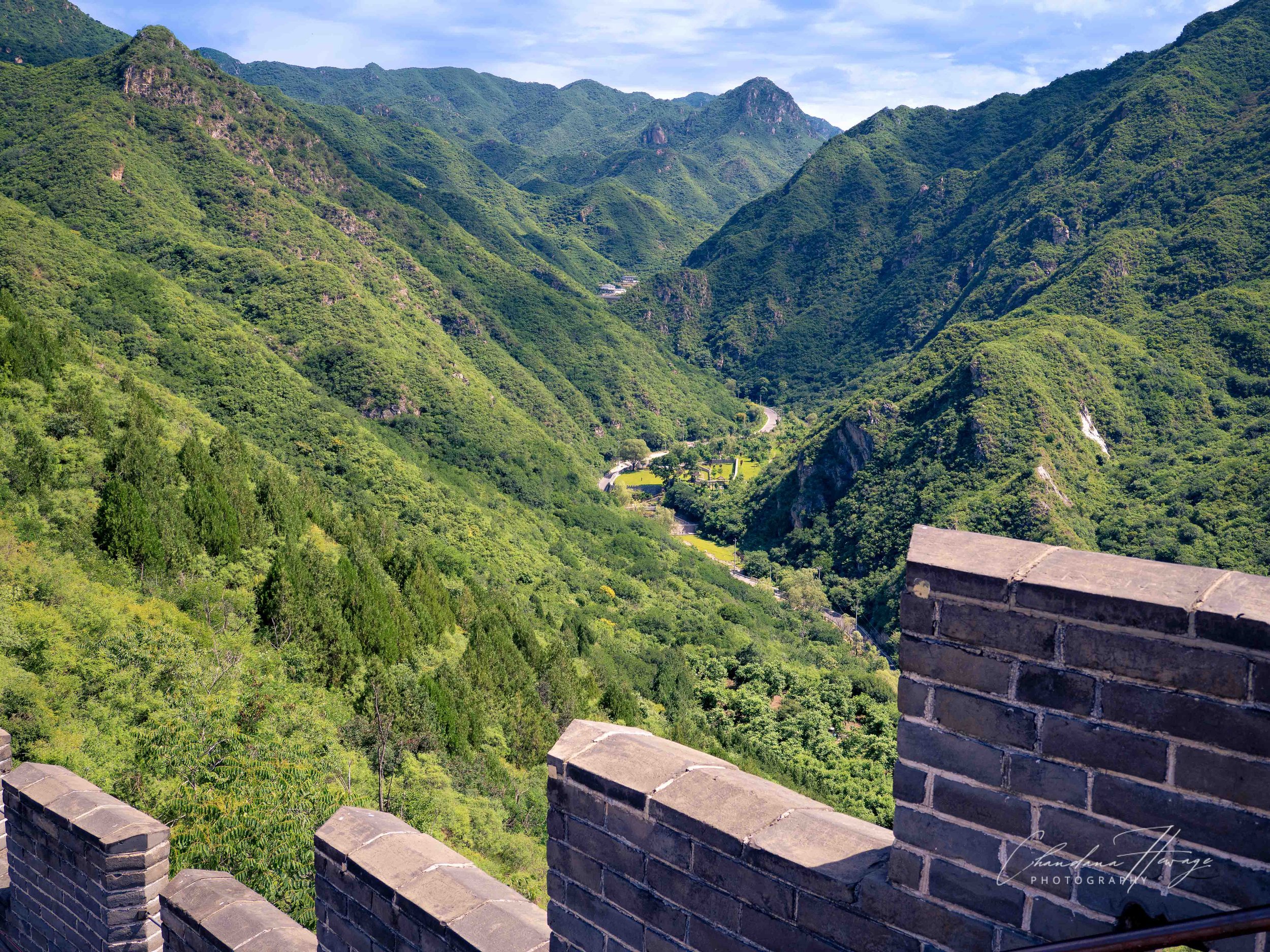
A view of the surroundings from the top of the east mountain.
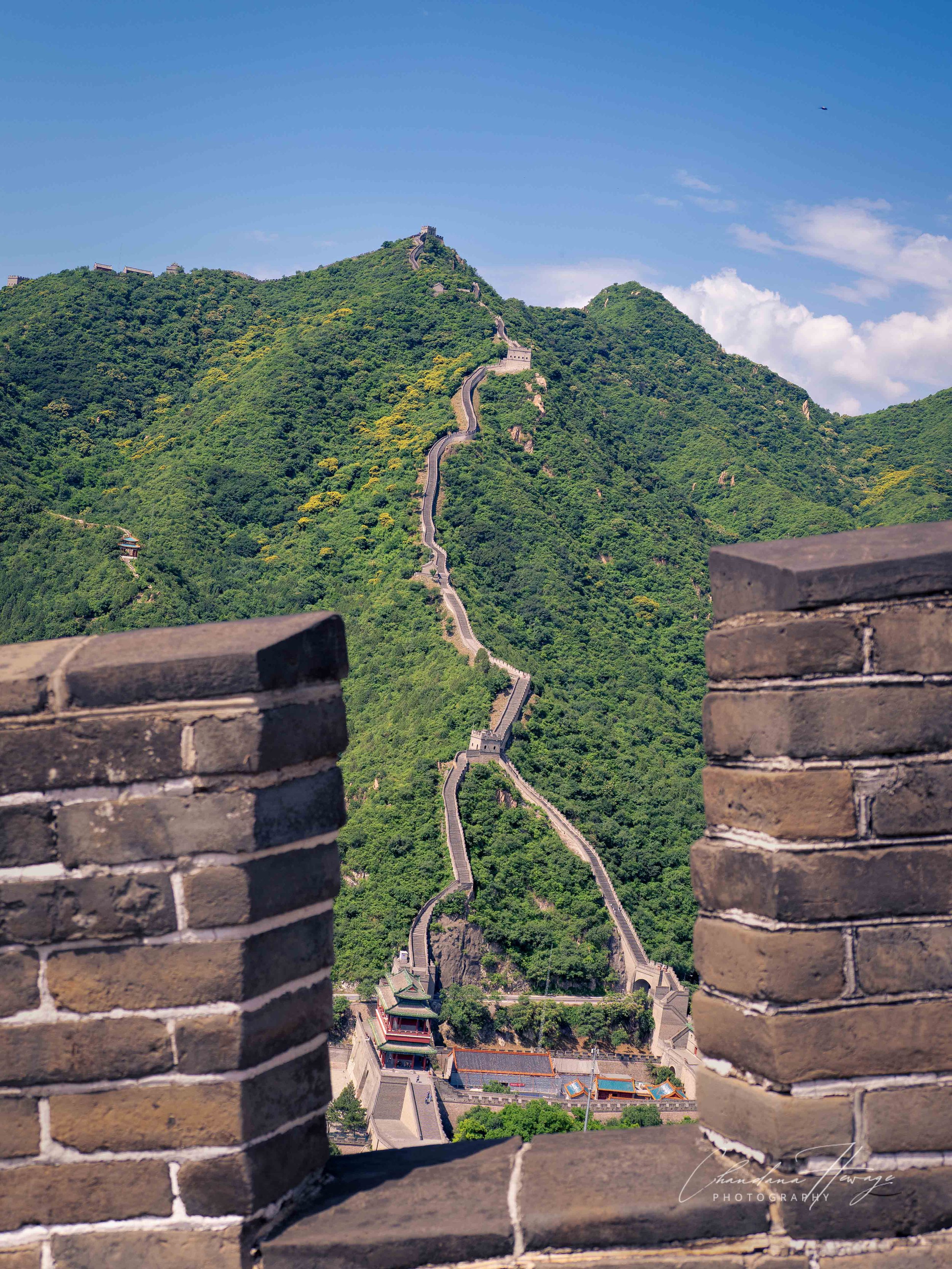
A magnificent view of the other parts of the Great Wall from the top of the East Mountain.
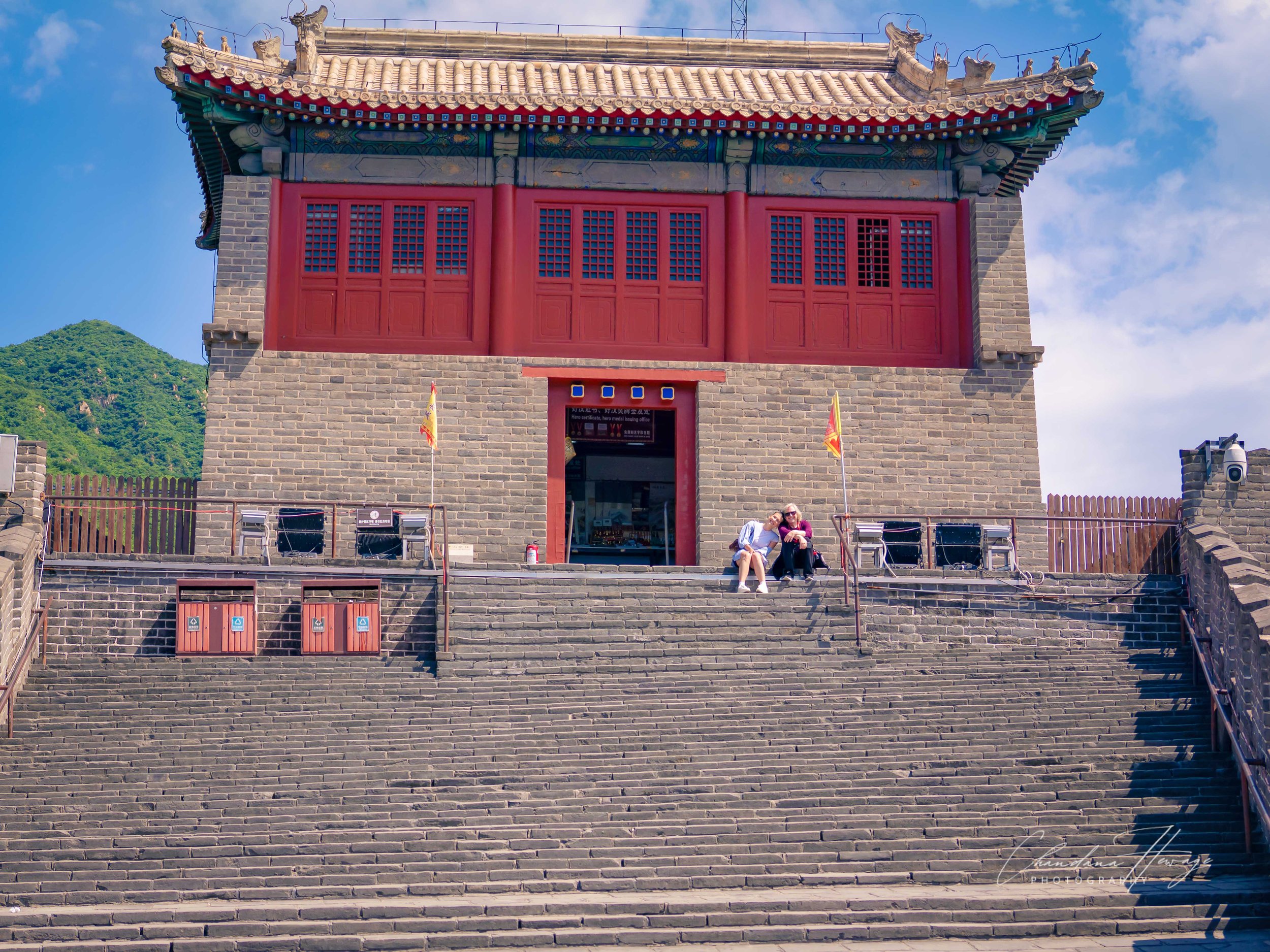
The Watchtower in East Mountain. The end of the climb for tourists.
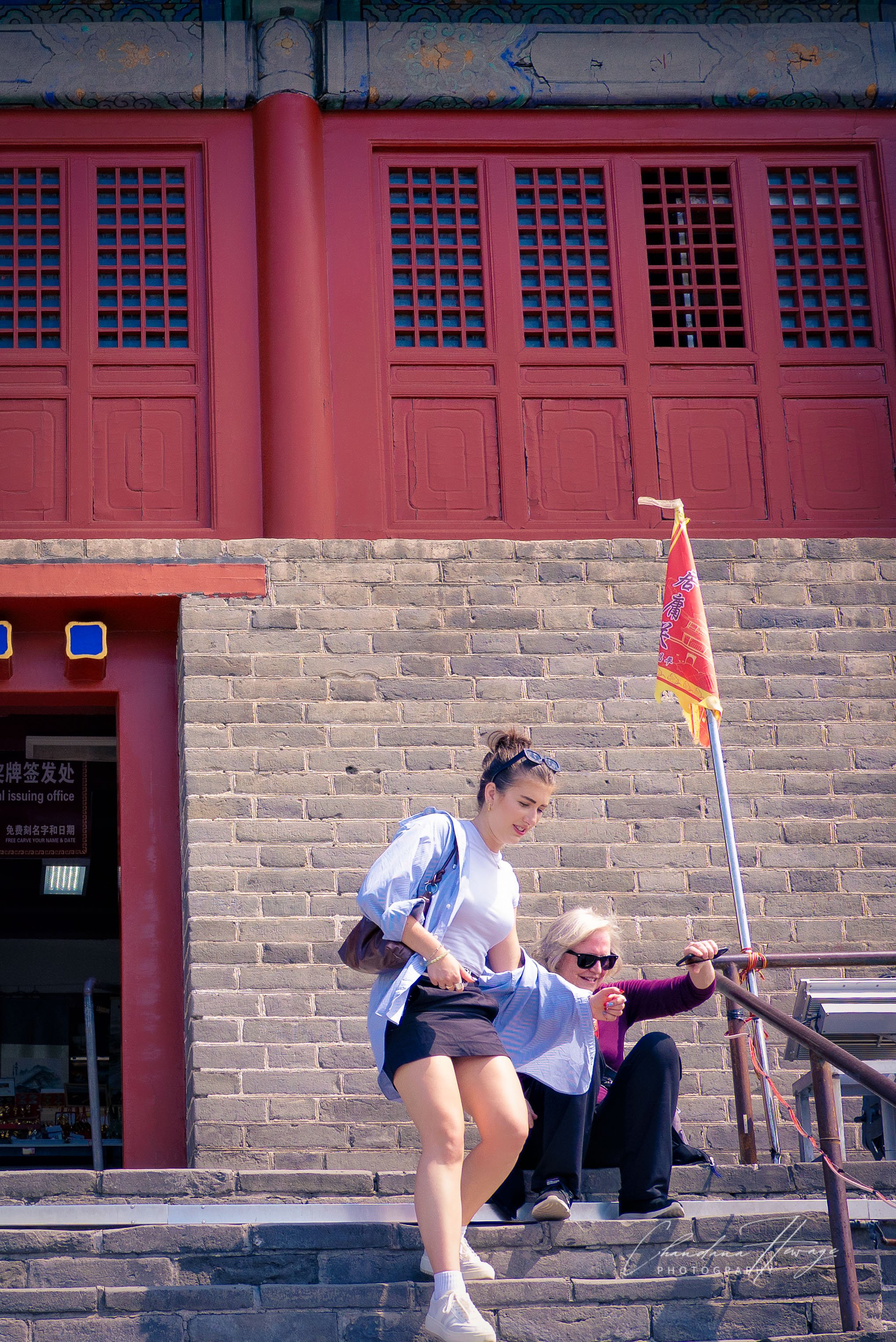
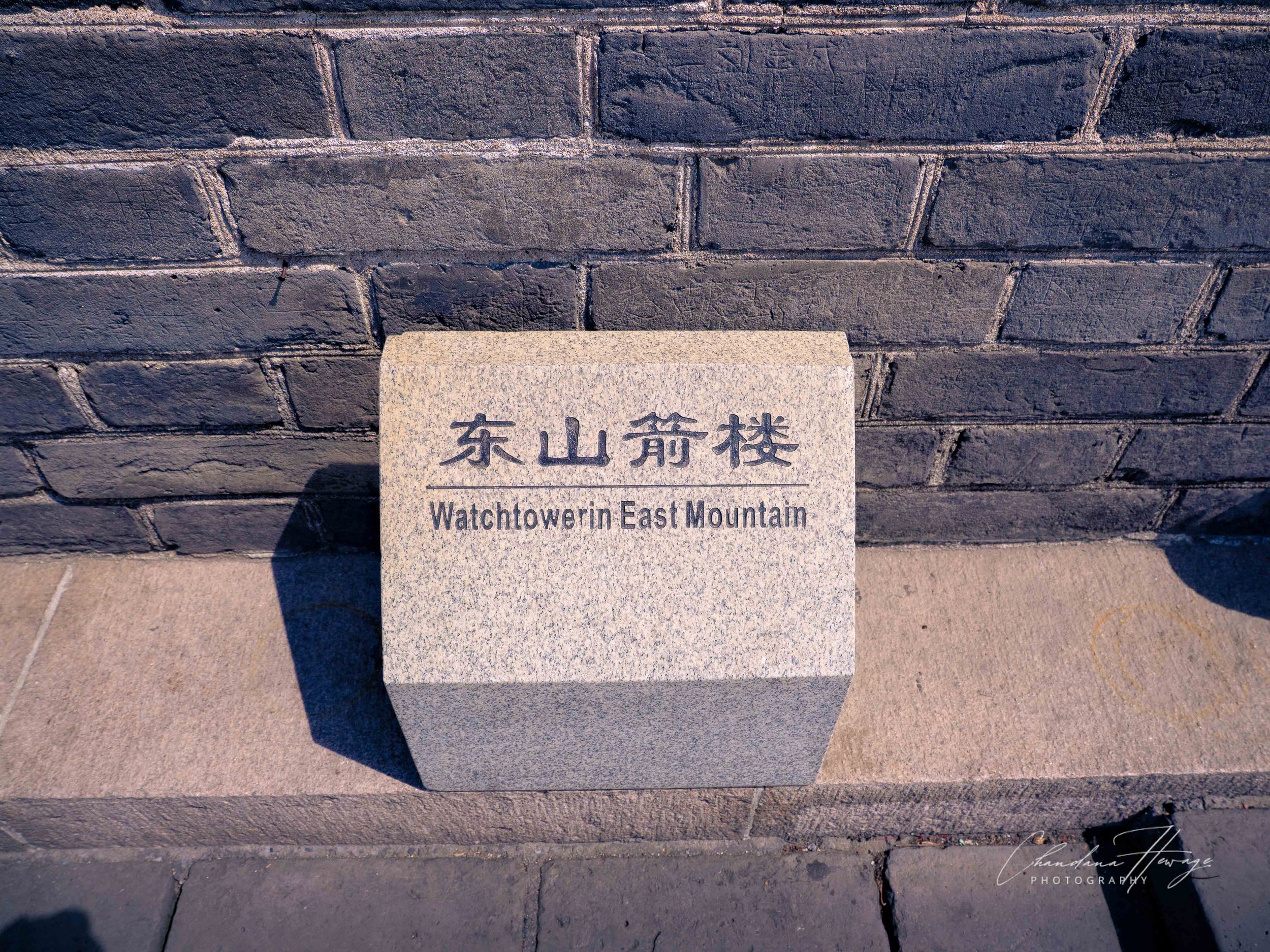
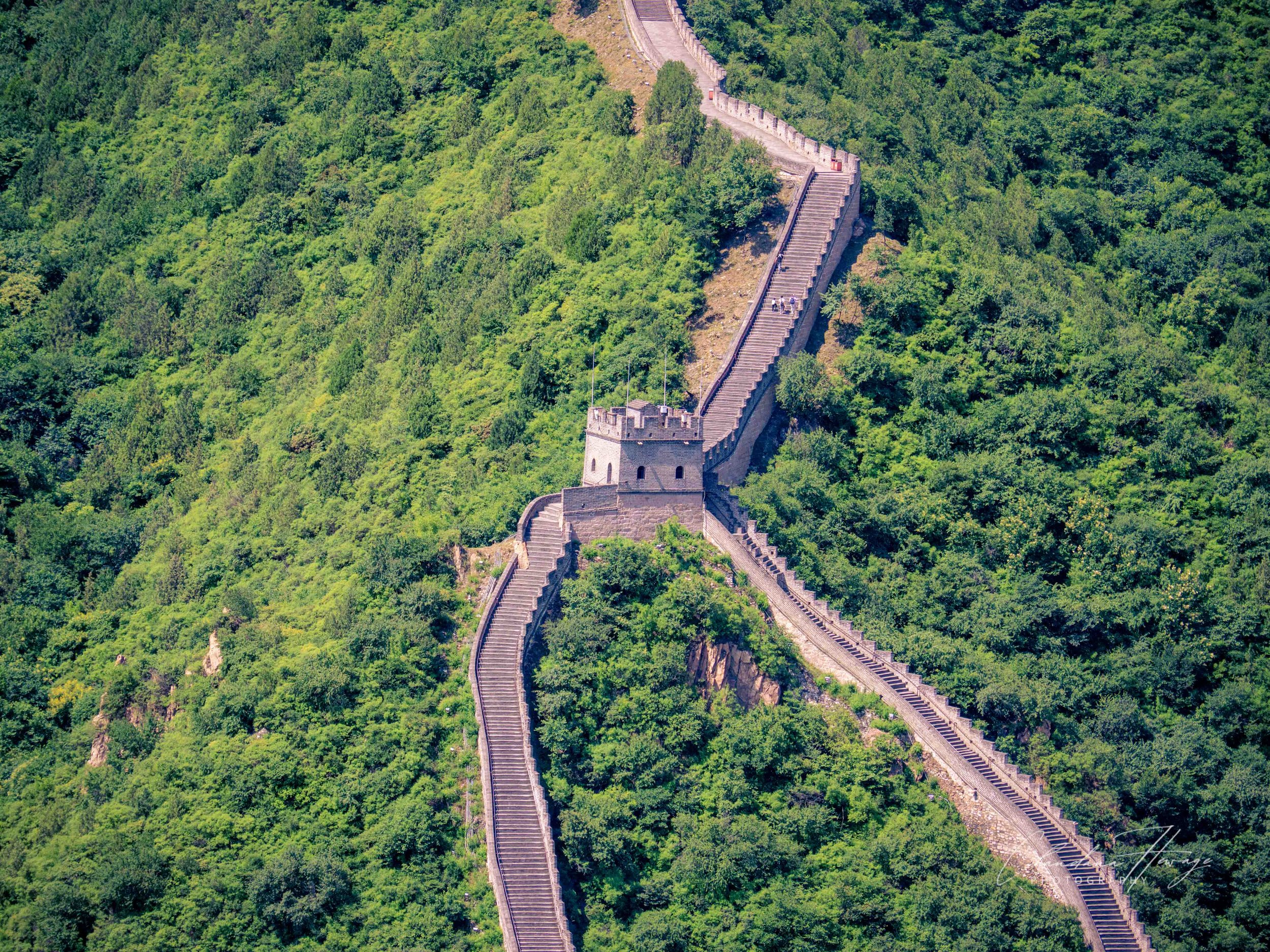
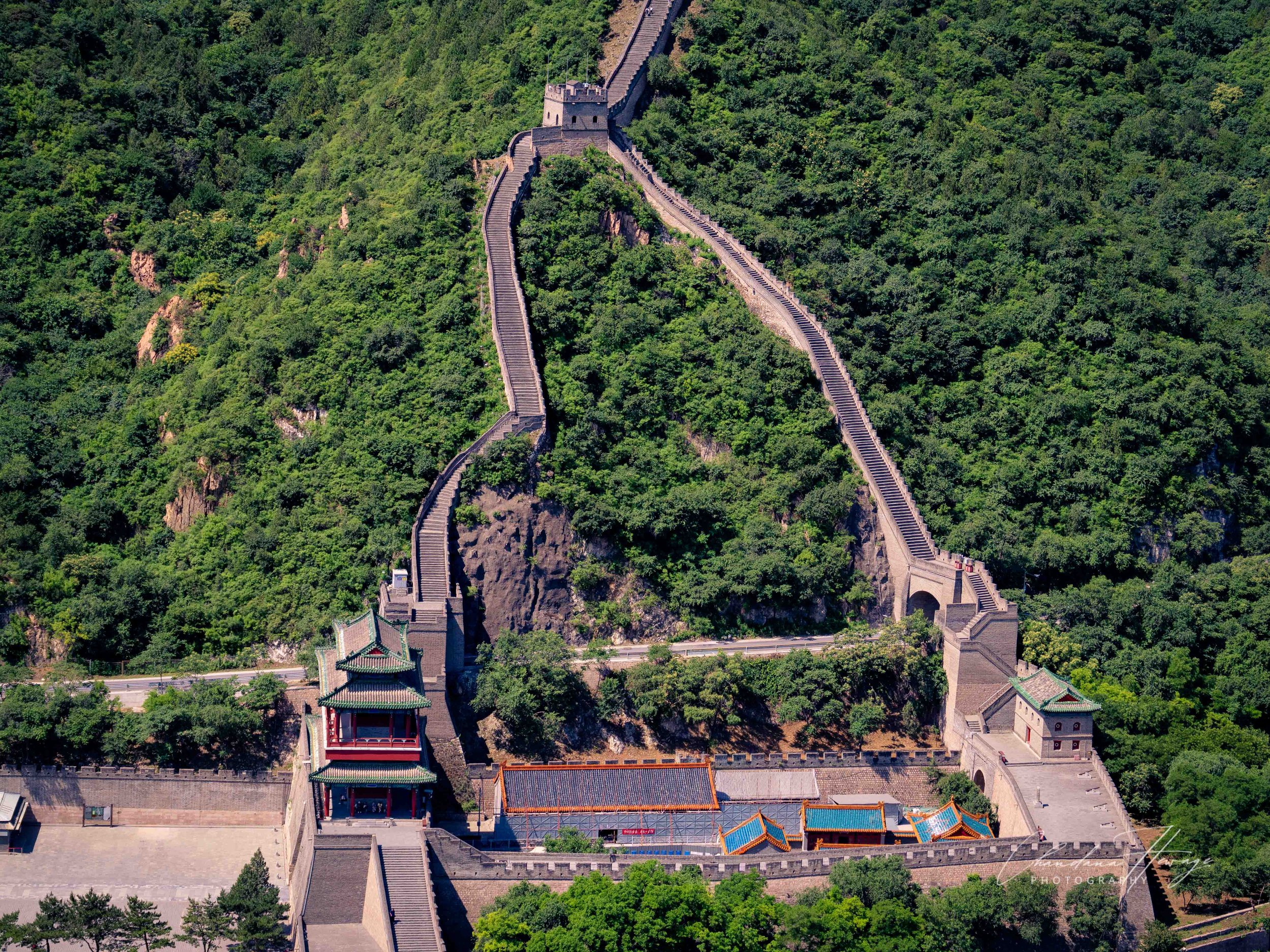
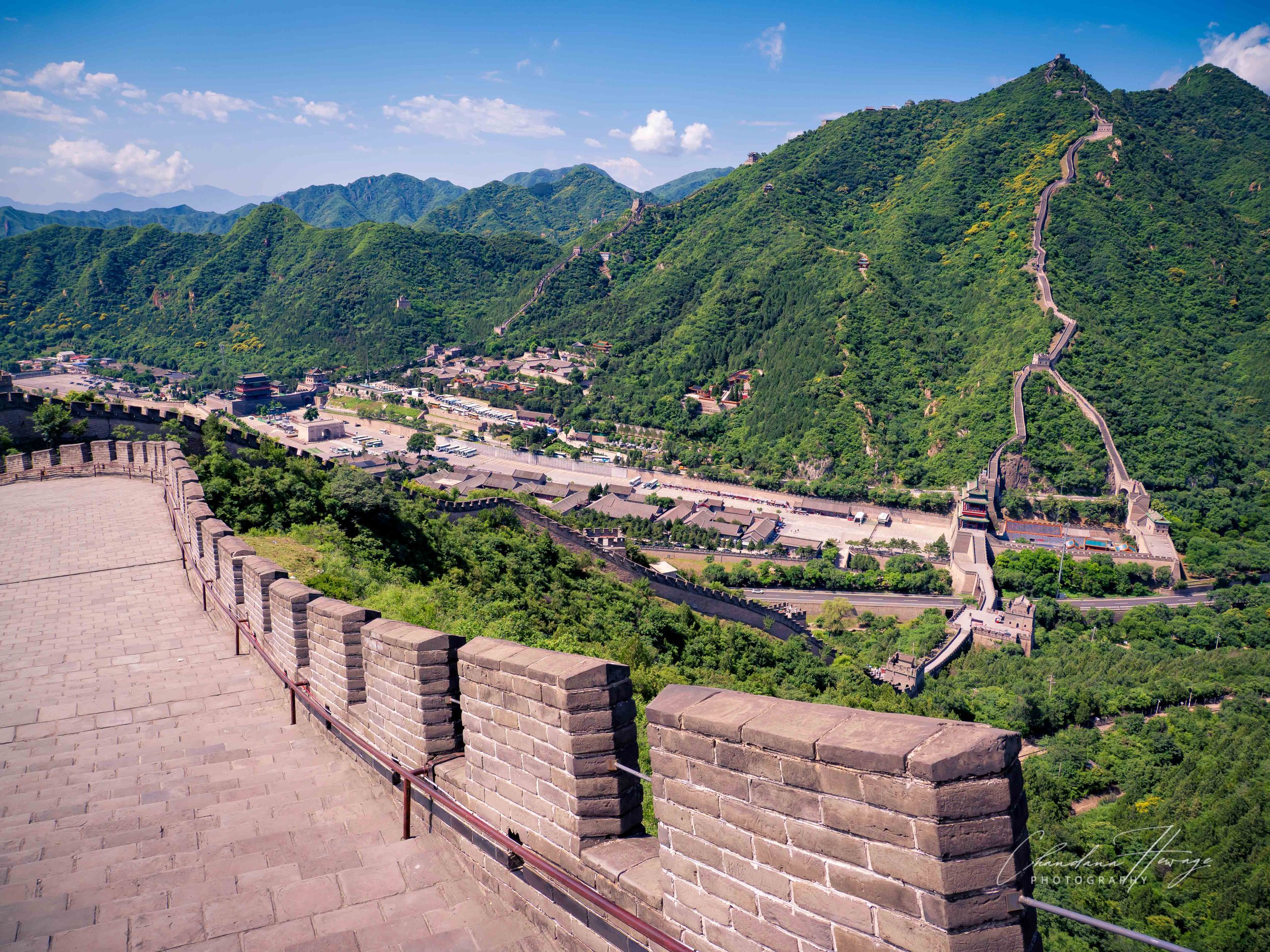
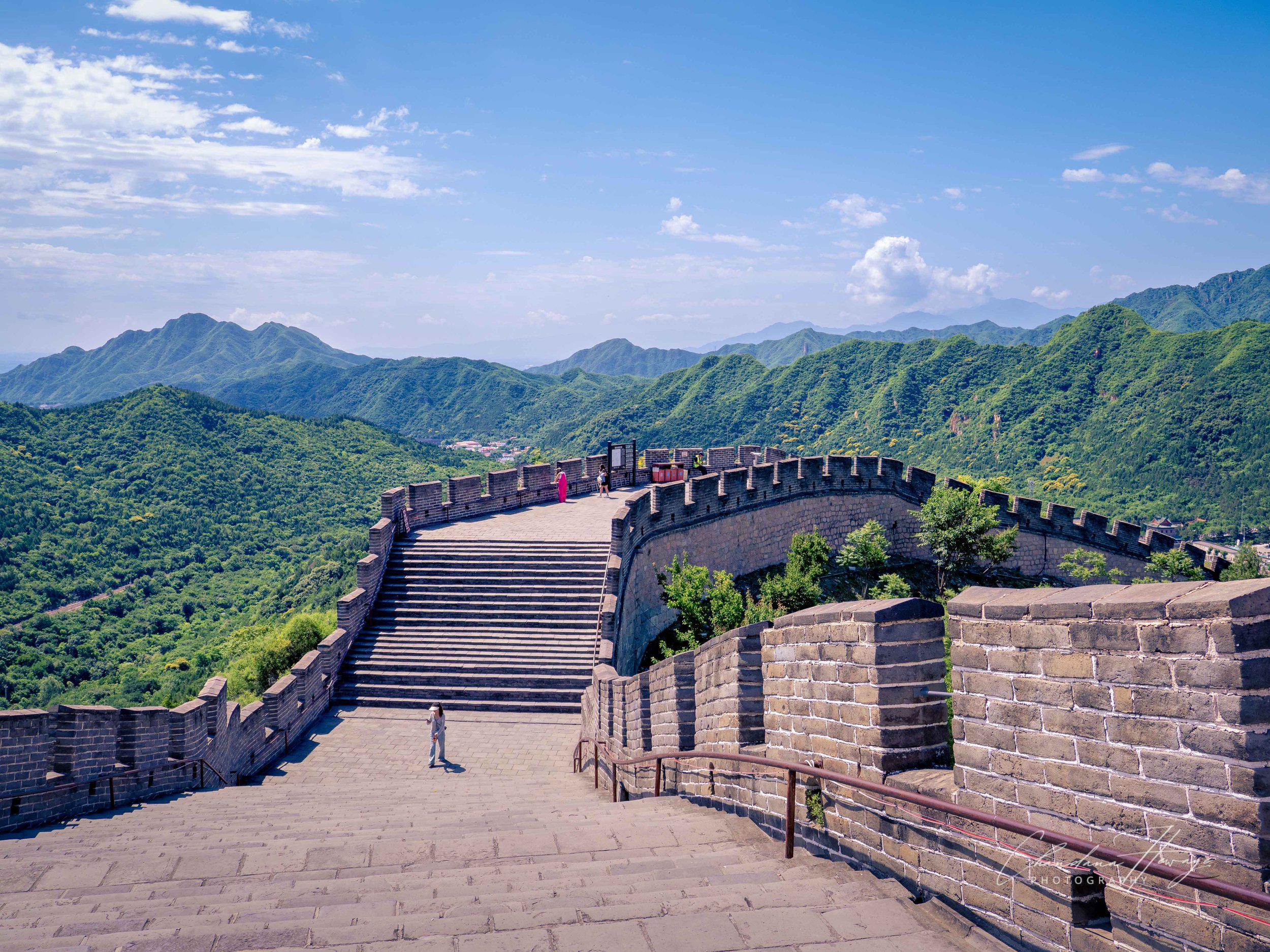
A part of a wide, sweeping stone platform and a massive staircase. This was engineered specifically to accommodate 5 horses or 10 soldiers marching abreast. The Double-Sided Battlements: Both the inner and the outer sides of the wall feature high defensive crenels and merlons. It was meant to defend against attacks from multiple directions if a ridgeline were ever compromised.
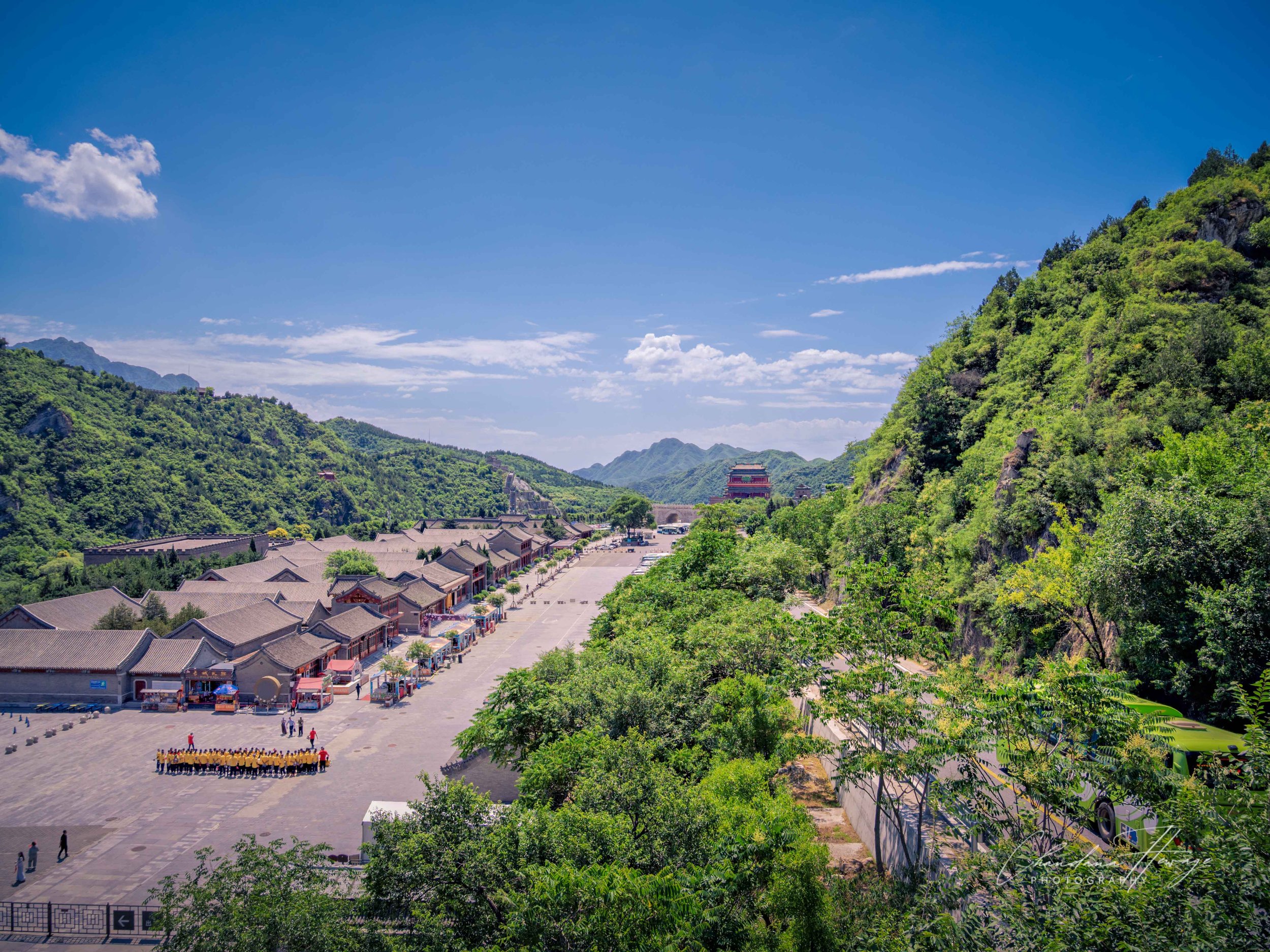
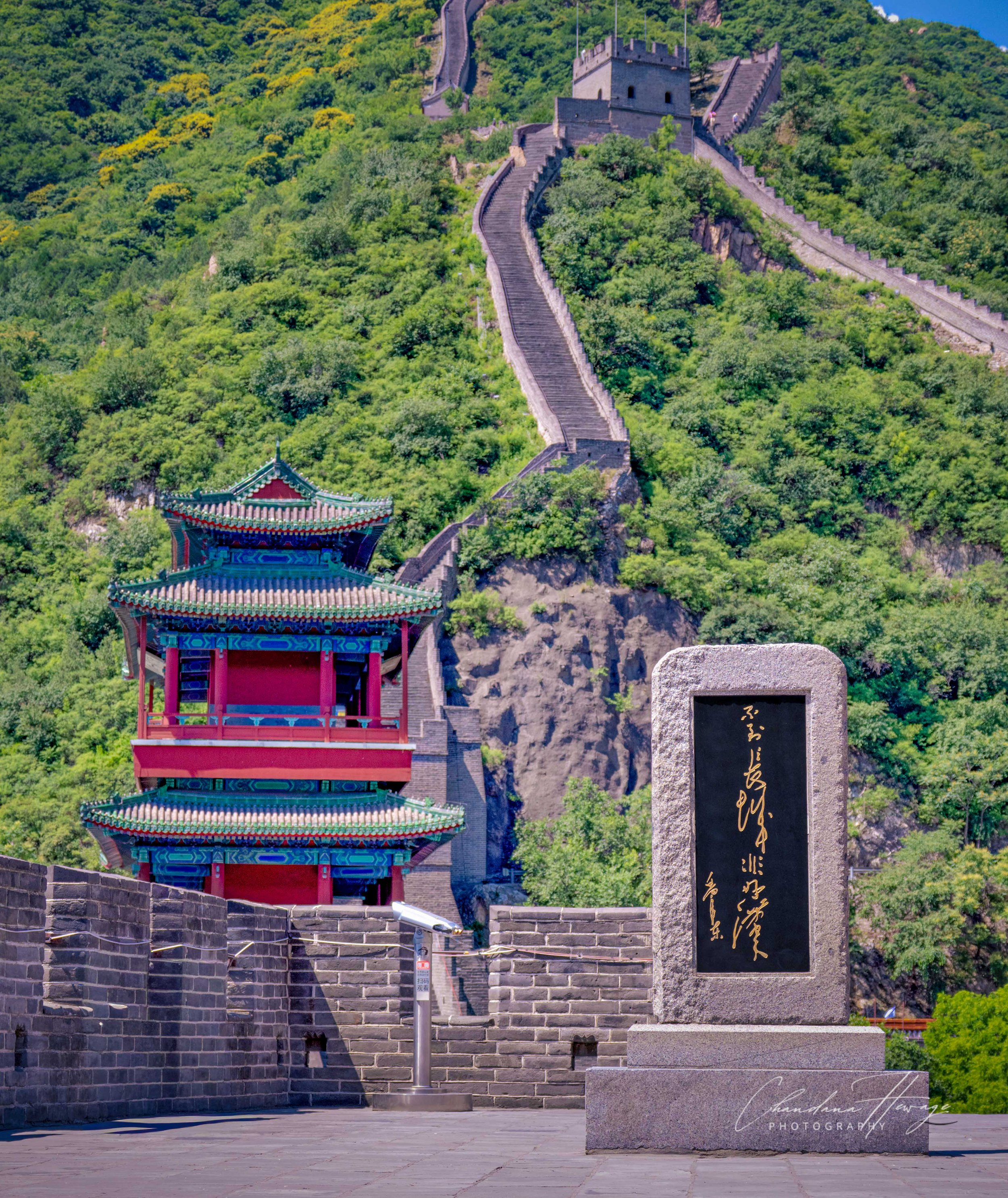
The plaque quotes: "He who has not climbed the Great Wall is not a true hero".
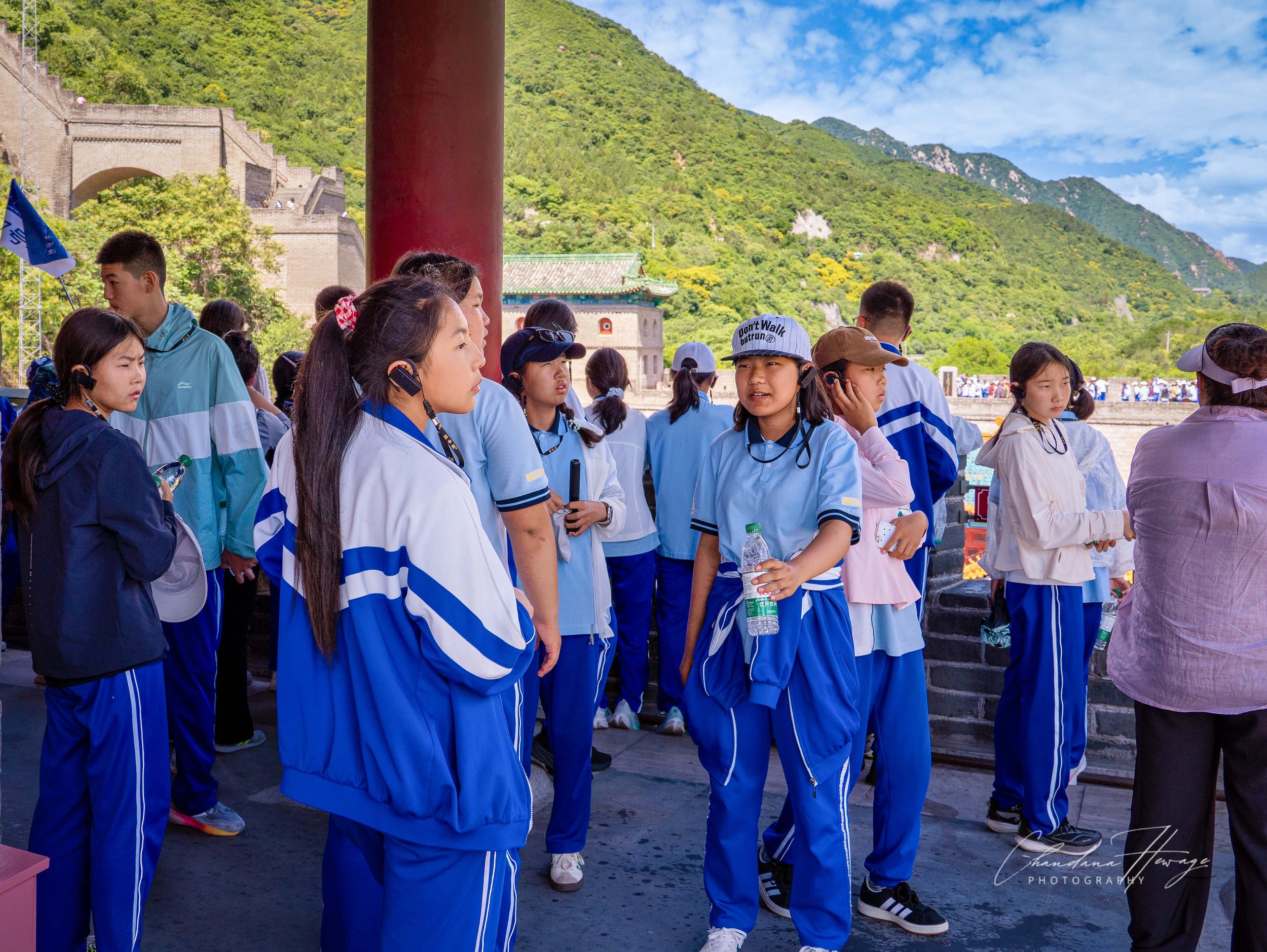
School children.
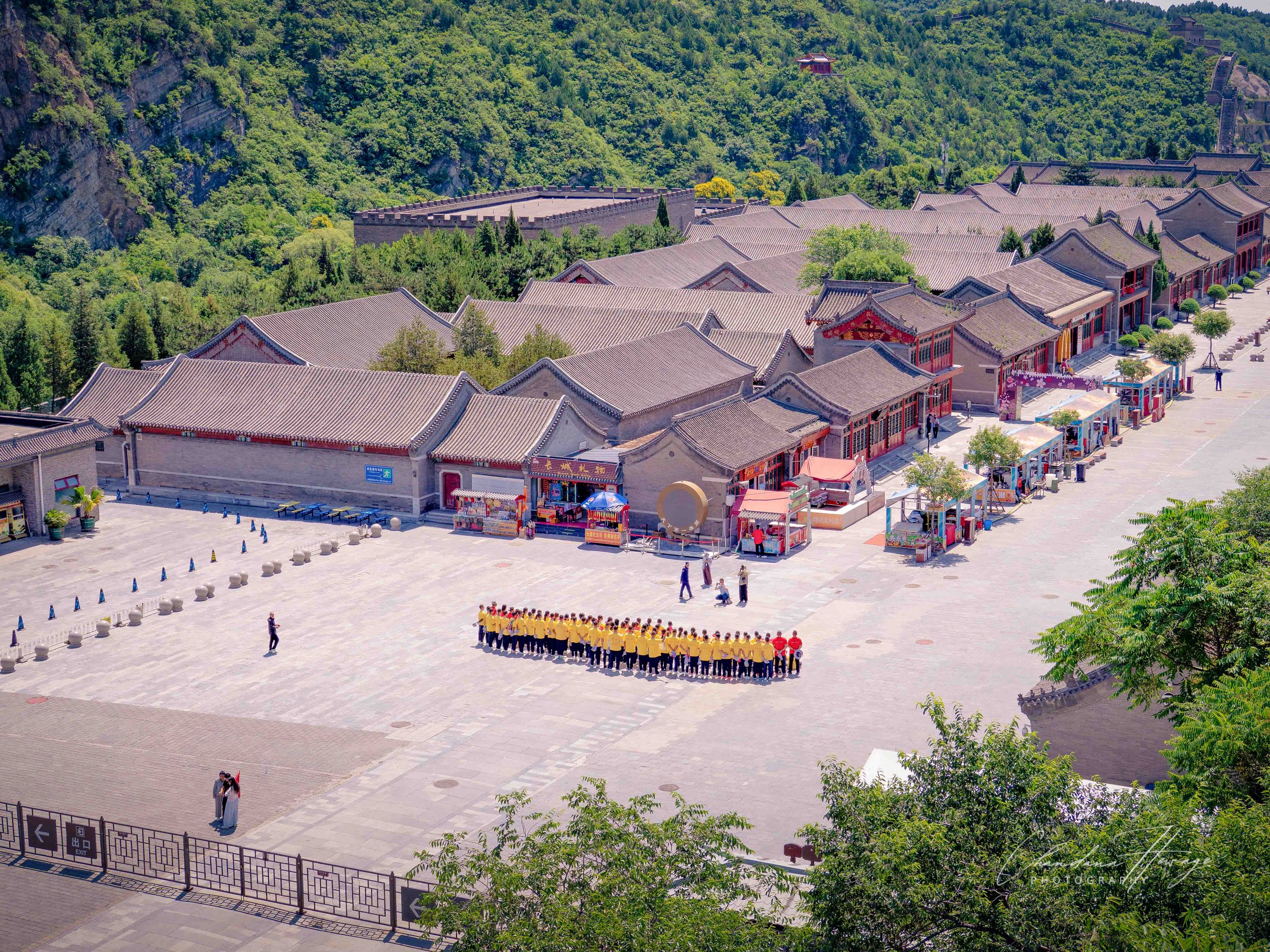
School Children in yellow uniform.
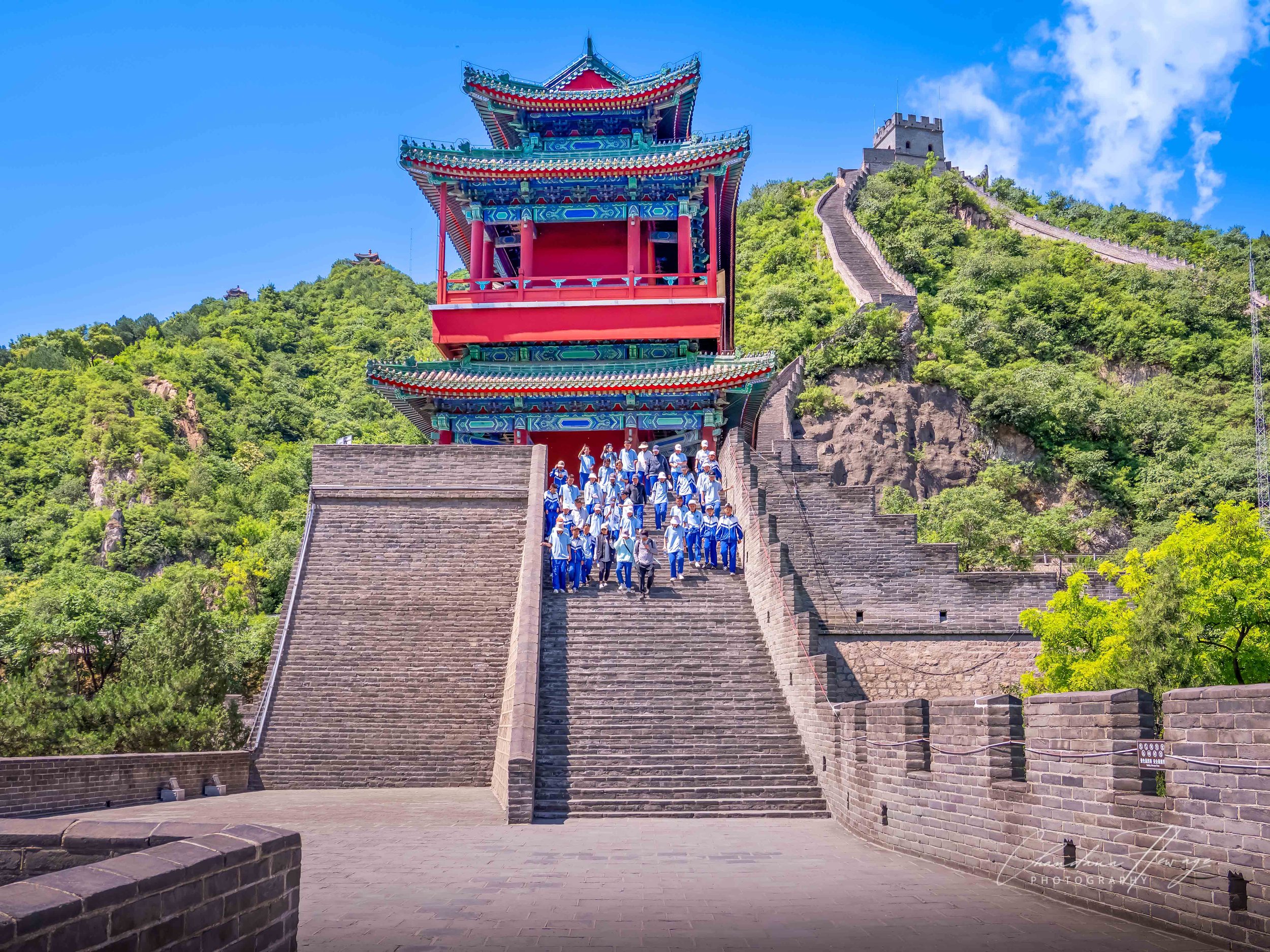
The GRAND YINGKOU TOWER ("Welcoming Guests Tower"). It stands at the base of the steep mountain loop where hikers begin and end their grueling climbs. This is a premium, multi-tiered traditional Chinese pavilion. The staircase leads to the lower section of the fort. A group of school children just started their journey to the top of the mountain.
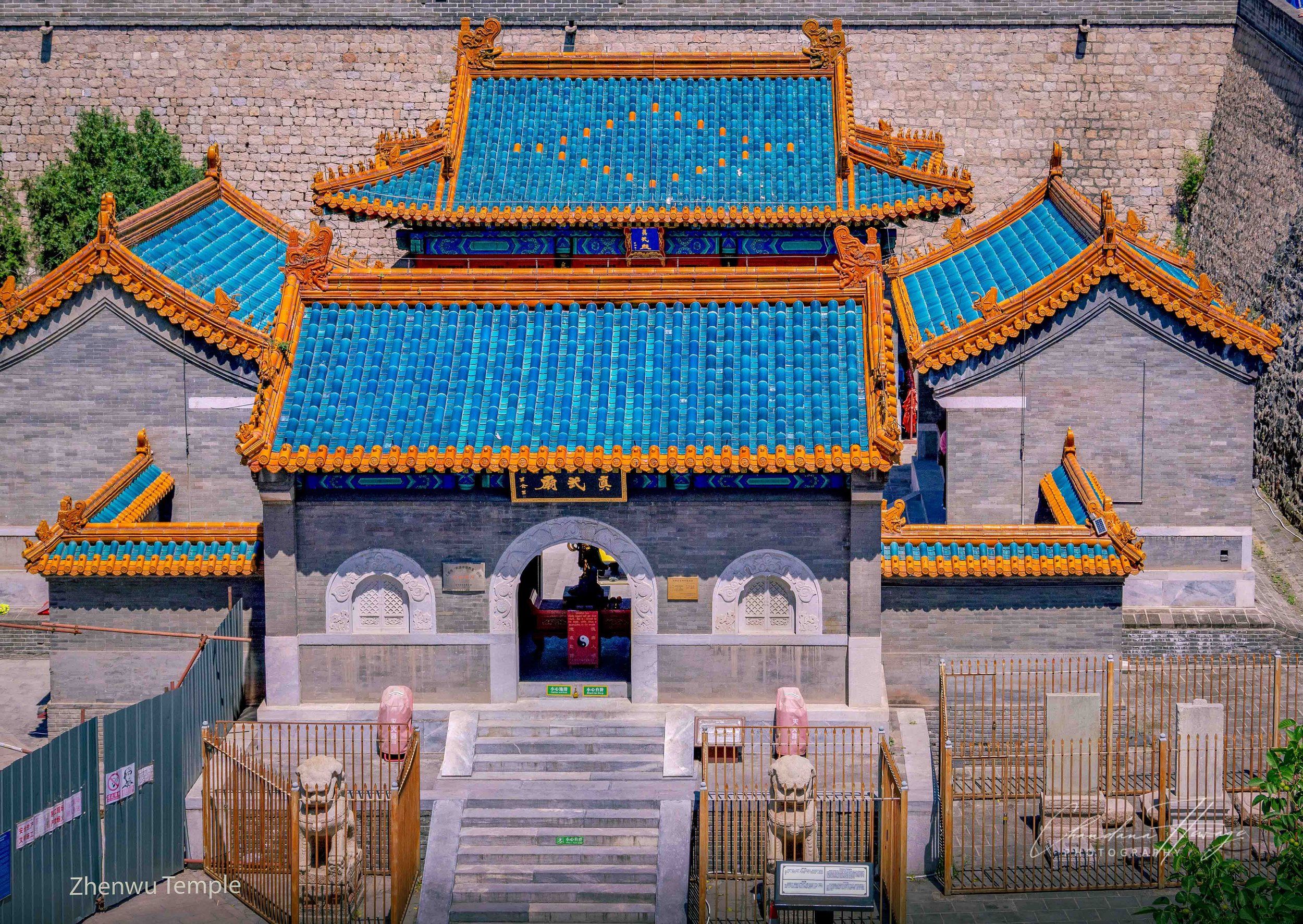
The beautiful roof of the Zhenwu Temple.
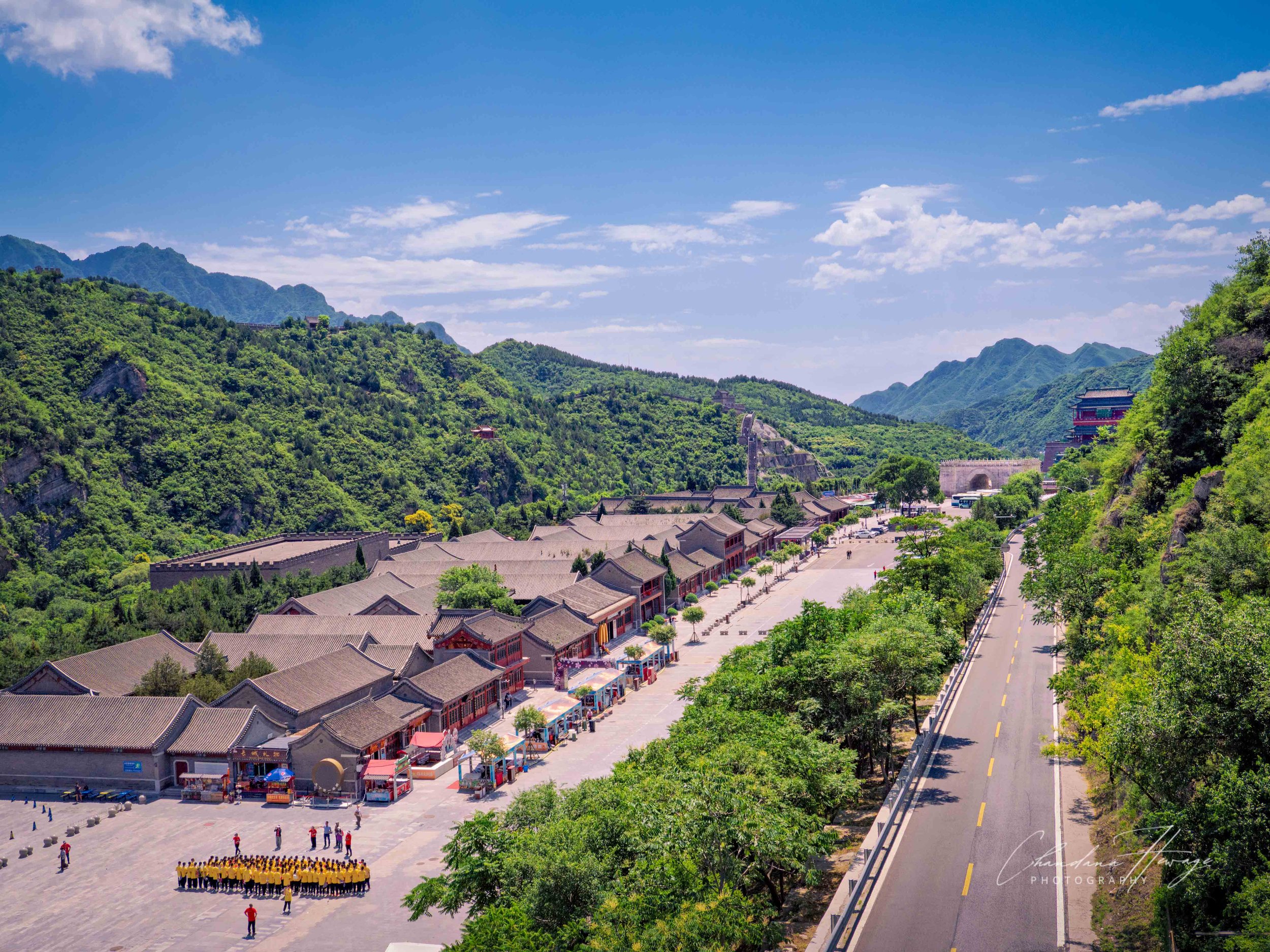
A view of the courtyard and the road from the Wall.
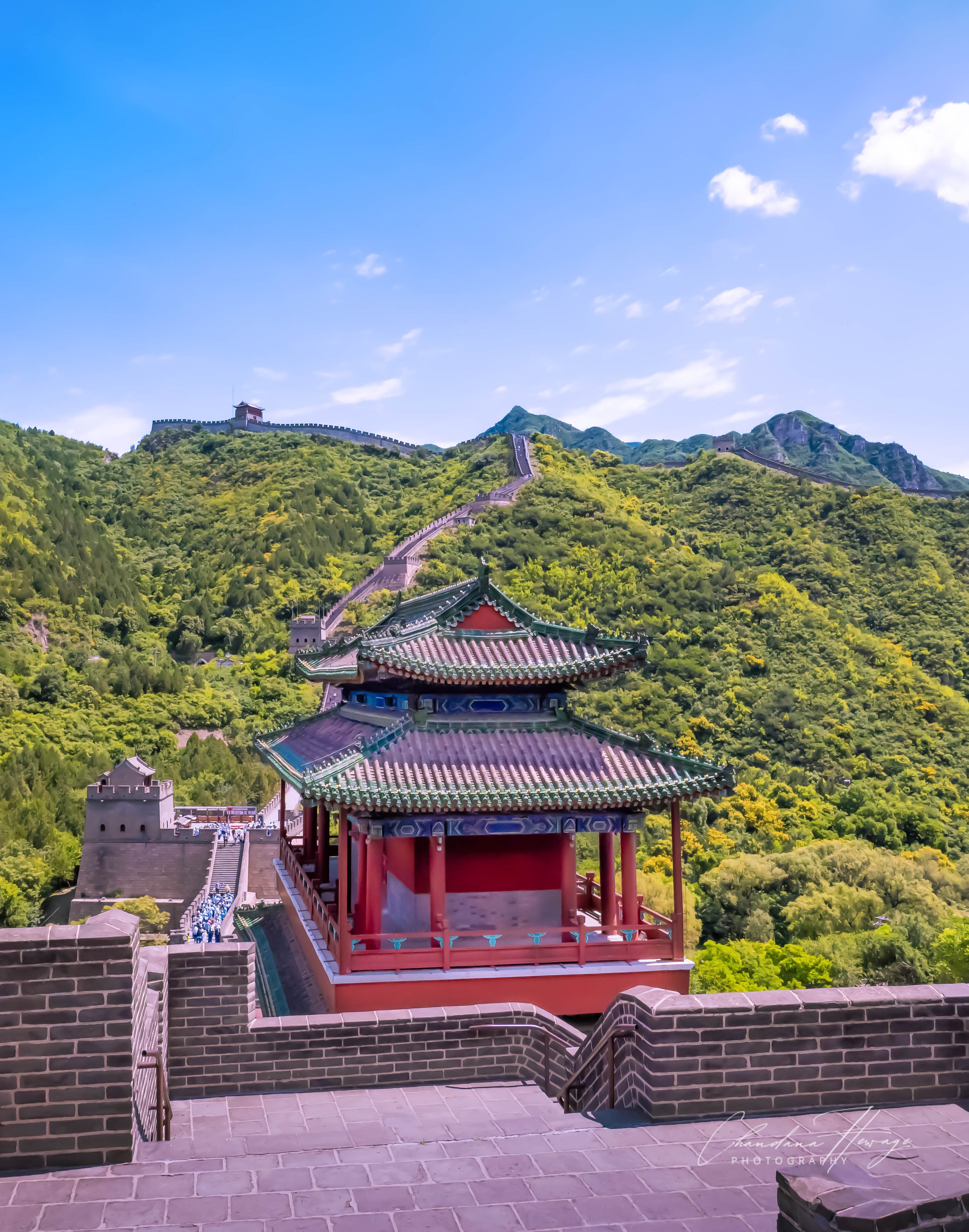
JINGUI PAVILION (Golden Tortoise Pavilion). Located at the western ridge of the Juyongguan Great Wall. This is the western counterpart to the Cuiping Pavilion.
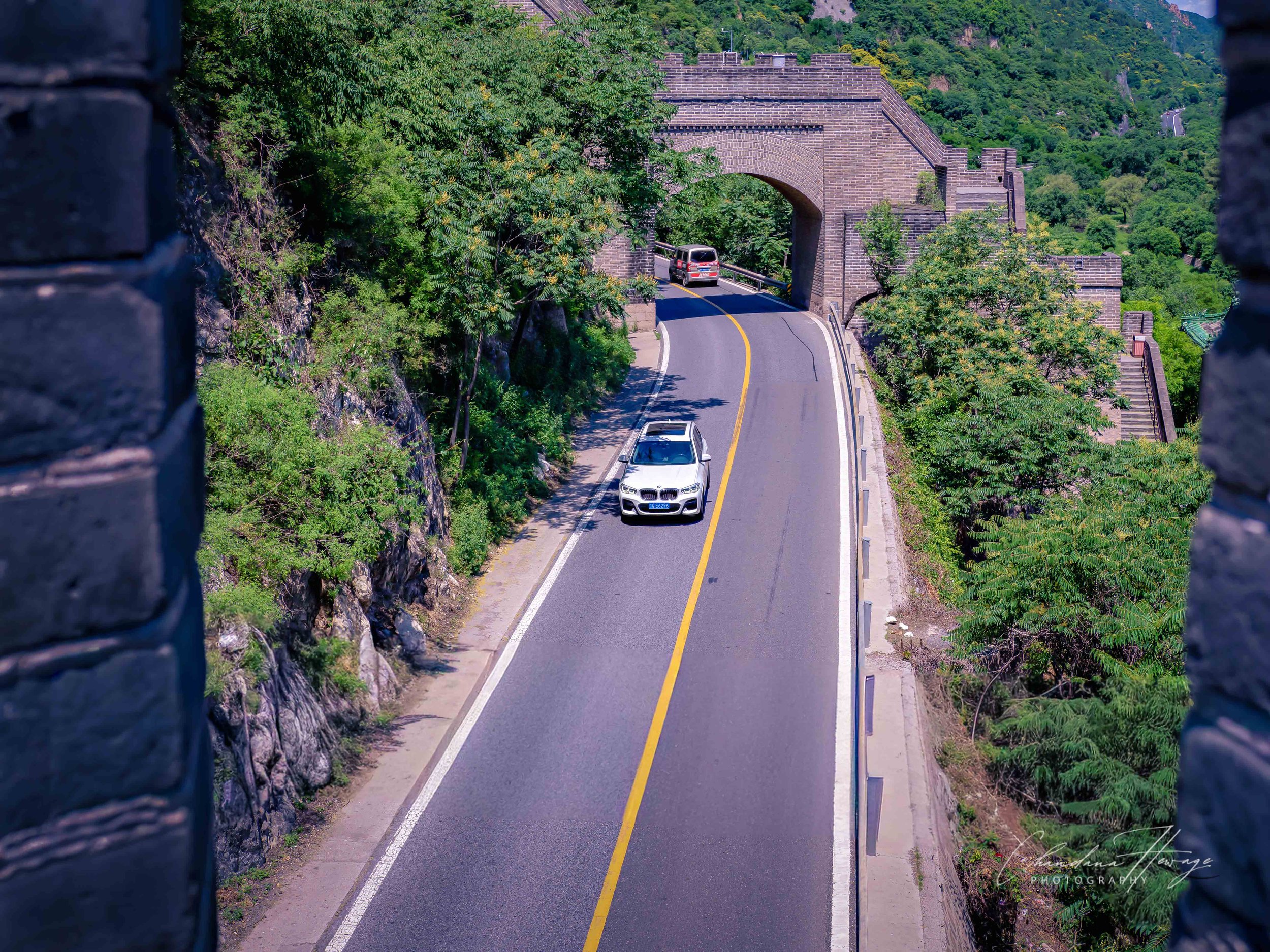
A view from above. A highway runs through the Great Wall.
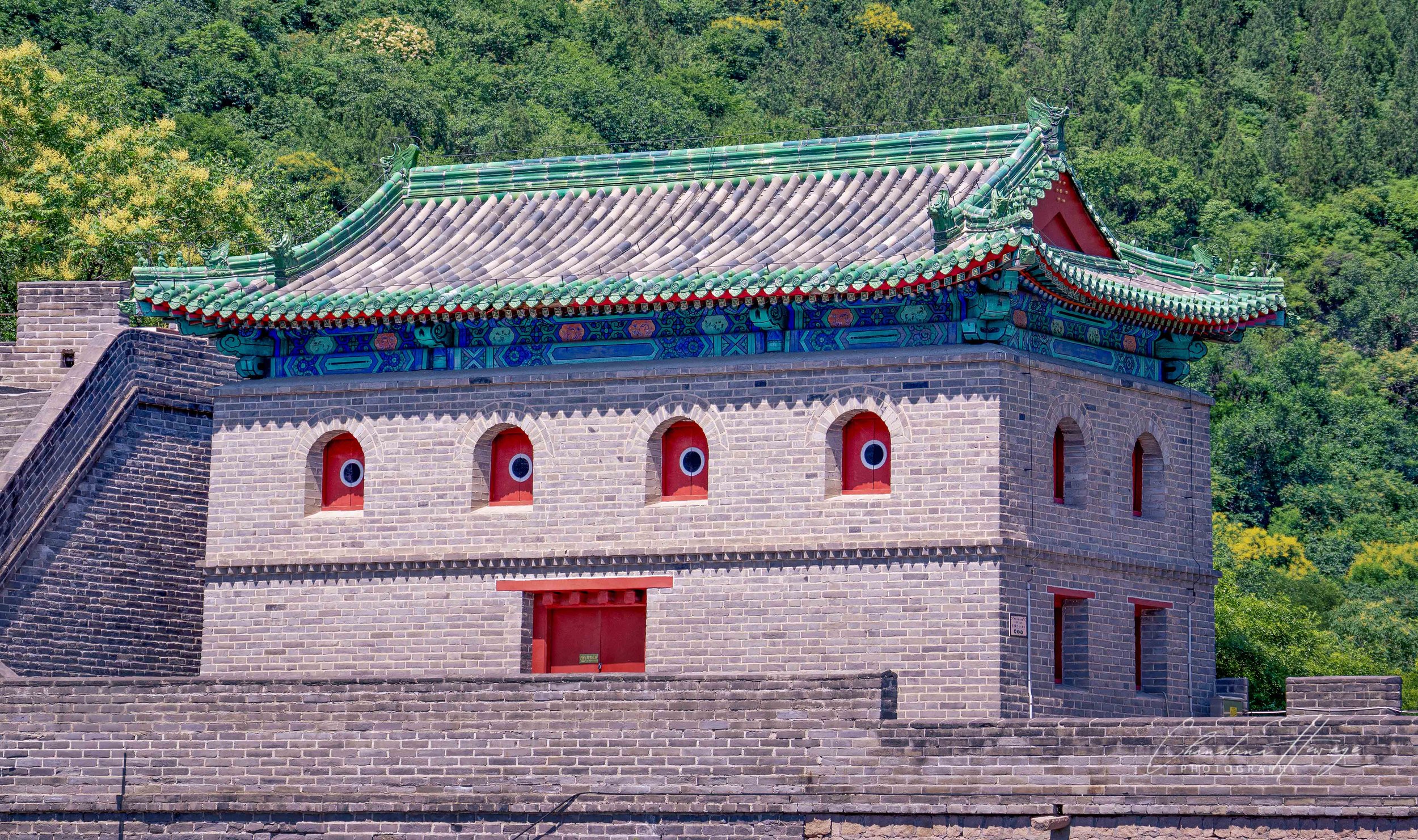
Beautiful architecture. This features one of the heavily fortified gatehouses at the Juyongguan Great Wall loop, specifically the ZHAIDONG TOWER/ North Gatehouse complex. The most striking feature is the row of "Bullseye" Arrow Slits. This is a classic Ming Dynasty defense fortress with a traditional Chinese hip-and-gable roof with green glazed tiles, red wooden panels, and painted decorative beams (dougong framework).

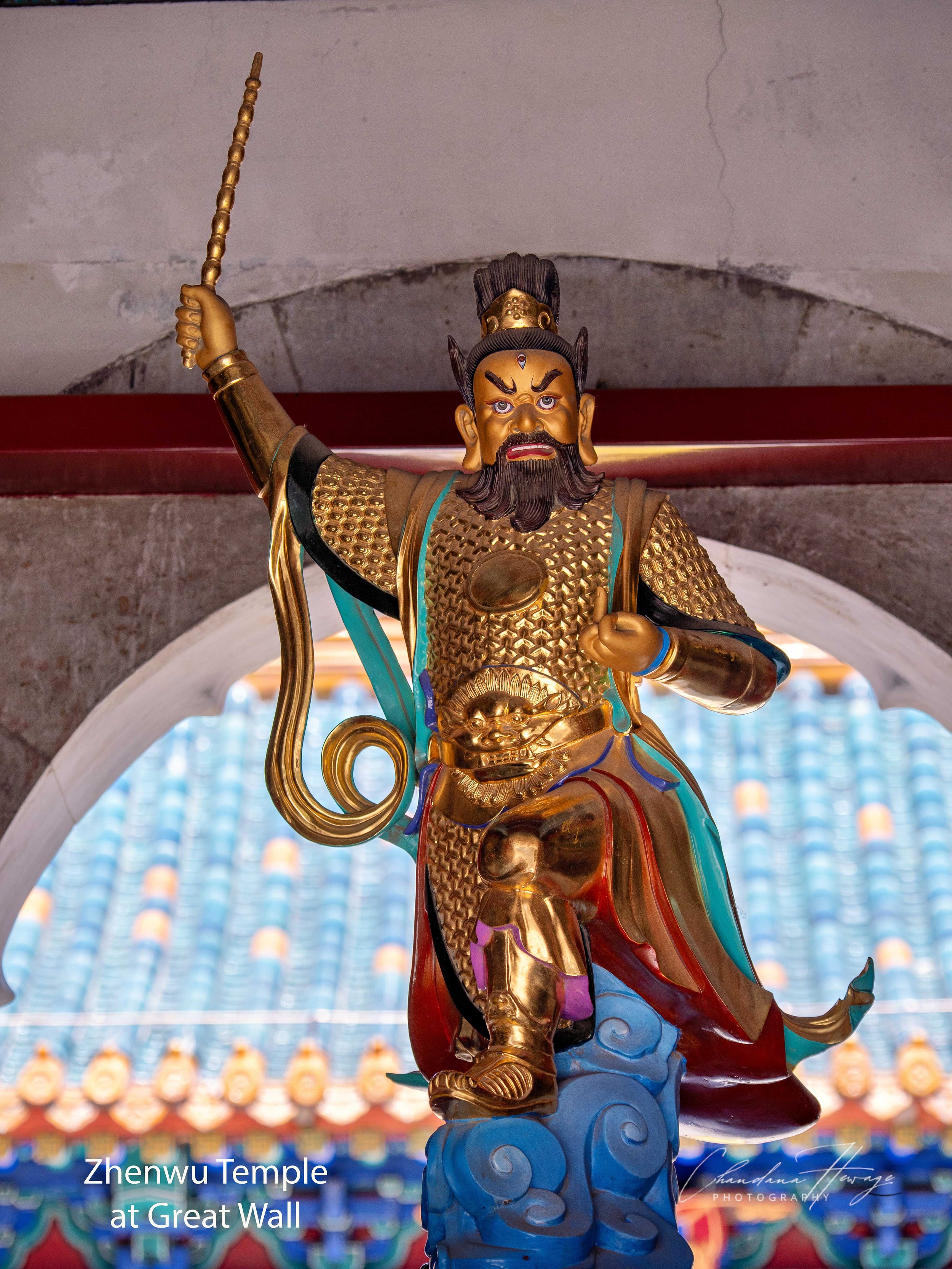
Emperor Zhenwu's statue in the temple.